Based at Taunton, Somerset
Pillboxes of Somerset — *considered essays on the Taunton Stop Line, the surviving Second World War defences of Somerset, and the long quiet work of documenting what remains*.
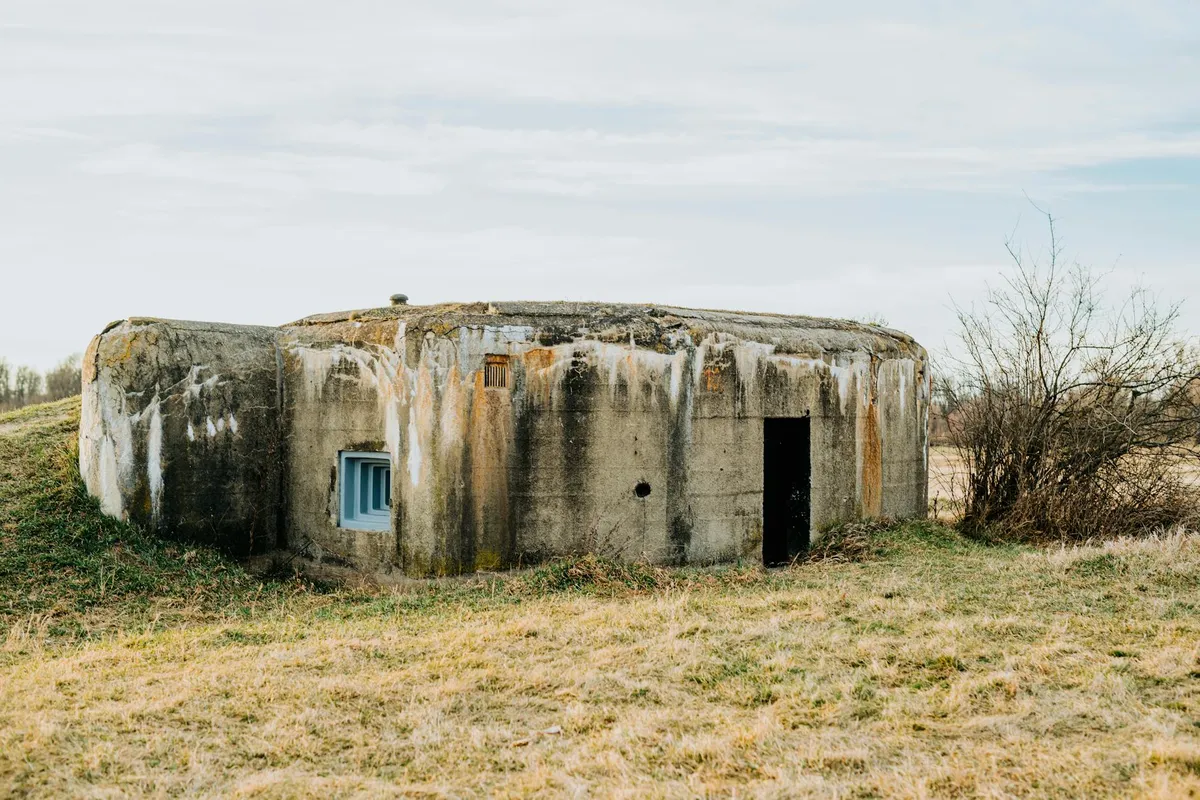
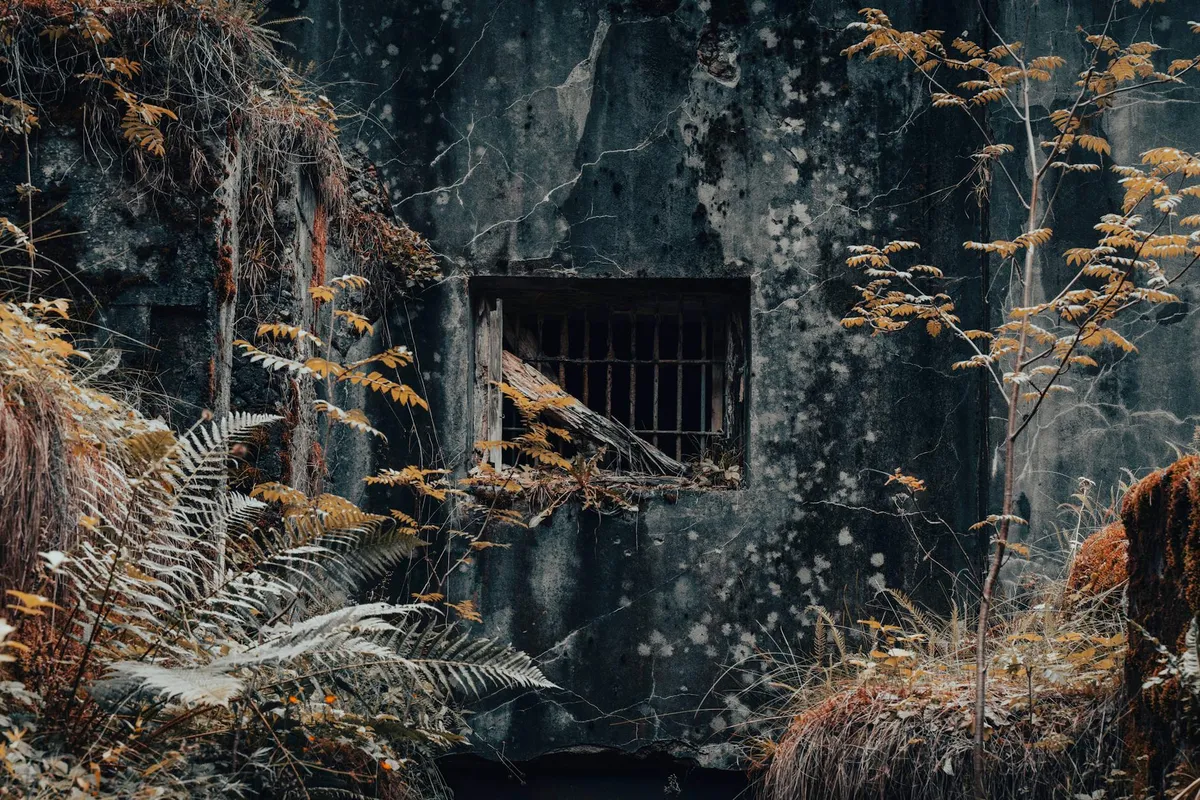
Britain built thousands of pillboxes during the summer and autumn of 1940 in expectation of an invasion that ultimately did not come. Many of those structures survive in the landscape today, often unrecognised, often overgrown, often slowly returning to the ground. The Taunton Stop Line — the defensive position that ran from Seaton on the Devon coast through Somerset to the Bristol Channel — was one of the most heavily constructed of these defensive lines, and Somerset retains a substantial archaeological record of it.
This publication is for readers interested in that record and in the broader military heritage of the region. The essays are considered rather than journalistic. They draw on archive research, field documentation, and the slow understanding that comes from walking the same landscapes across years. The intent is honest engagement with a particular kind of vernacular military heritage that has rarely received the serious treatment it deserves. Mainstream histories of the war pass over these structures quickly. The structures themselves are still here and still tell us things if we engage with them carefully.
- 121artifacts catalogued
- 8galleries assembled
- 19yin the field
Areas of study
- Pillboxes
- Taunton Stop Line
- Somerset
- Heritage
- Fieldwork
- History
Acquisition policy —
All artifacts authenticated and provenance verified before accession. Loan partners credited on every label. Scholars welcome by appointment.
— — Geoffrey
 Plate CXXI
 Plate CXX
 Plate CXIX
 Plate CXVIII
 Plate CXVII
 Plate CXVI
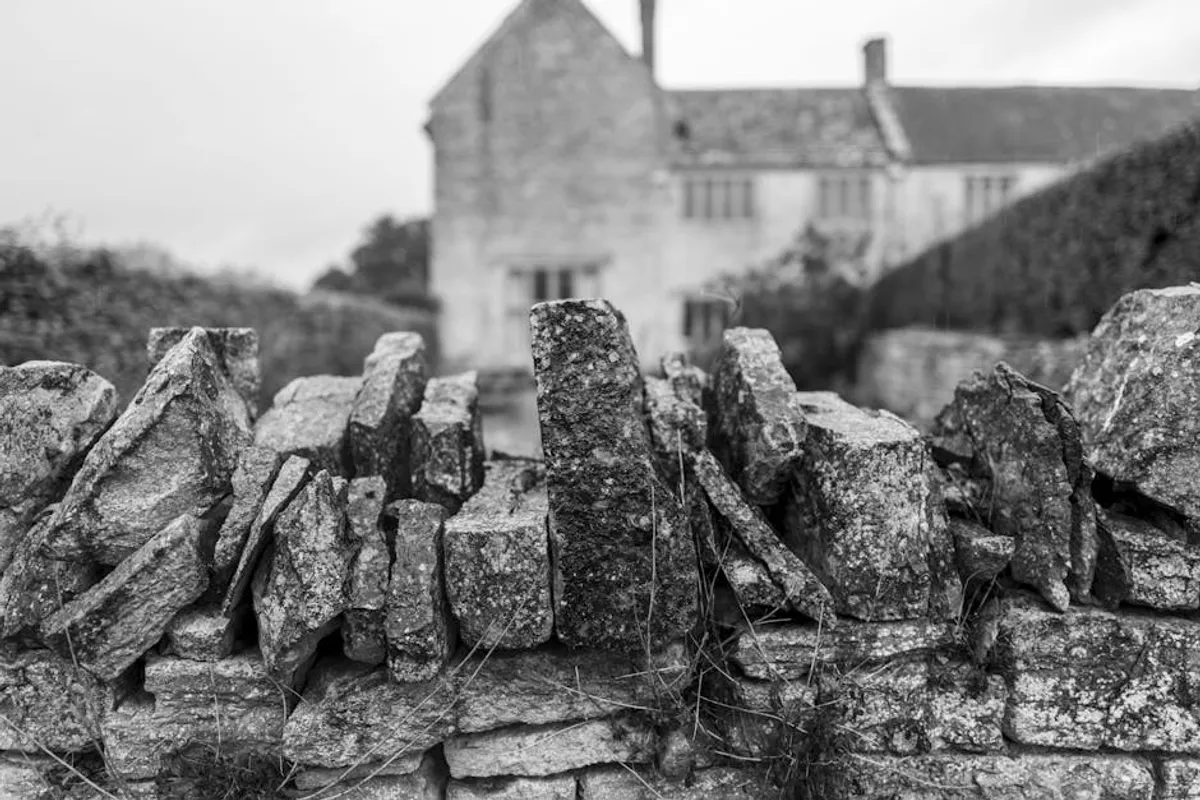 Plate CXV
 Plate CXIV
 Plate CXIII
 Plate CXII
 Plate CXI
 Plate CX