Interviewing local historians provides a direct conduit to unique, authoritative, and deeply resonant content. For SEO professionals, marketers, and site owners, this isn't merely about gathering facts; it's about unlocking narratives, specific dates, and anecdotal color that distinguish your local content from generic, AI-generated summaries. These interviews yield primary source material, offering a competitive edge in local search by establishing genuine expertise, trustworthiness, and relevance (E-E-A-T). The insights gained can fuel hyper-local SEO strategies, enrich community-focused initiatives, and create evergreen resources that attract and engage a specific audience segment often overlooked by broader content efforts.
Identifying and Approaching Local Historians
Where to Find Expertise
Locating the right historian requires targeted research. Begin with local historical societies; these organizations often maintain lists of members with specific research interests, and their librarians or archivists can direct you to individuals specializing in your desired topic or geographic area. Public libraries are another key resource, as their local history departments frequently employ or collaborate with historians. Universities, particularly those with local studies or history departments, may have faculty whose research aligns with your needs. Don't overlook local museums, which often have curators or volunteer historians deeply knowledgeable about specific periods or collections. Online, community forums, genealogy sites, and local history blogs can also serve as unexpected avenues to identify passionate and informed individuals. Don't overlook local museums, which often have dedicated historical exhibits and staff who can point you in the right direction for local museum information.
Crafting Your Initial Outreach
Your first contact sets the tone. Keep it professional, concise, and clearly state your purpose. Explain your project's scope and how their expertise will contribute to a valuable resource. Emphasize the benefit to them—whether it's preserving local history, reaching a wider audience, or contributing to a respected publication. Be explicit about the time commitment you anticipate and offer flexibility in interview format: phone, video call, or in-person, depending on their preference and availability. Attach a brief overview of your content platform or publication to establish credibility, ensuring it focuses on the value proposition rather than a hard sell.
Preparing for the Interview
Researching the Subject and the Historian
Before any interview, immerse yourself in the topic. Read existing local histories, news archives, and any public works by the historian you plan to interview. This demonstrates respect for their time and expertise, allowing you to ask more informed, nuanced questions. Identify gaps in the current public knowledge or areas where conflicting accounts exist. Tailor your questions to their known specializations; if they're an expert on 19th-century industrial development, focus there rather than broad colonial history. This preparatory work ensures you leverage their specific knowledge efficiently and avoid asking questions easily answered by a quick search.
Developing a Question Framework
A structured question framework guides the conversation without stifling organic discussion. Prioritize open-ended questions that encourage narrative and detail, moving beyond simple yes/no answers. Focus on specific events, people, places, and the "why" behind historical developments. Ask about primary sources they've encountered, personal anecdotes they might have heard, or common misconceptions they often address. Include questions that prompt historical context and connections to broader themes. A well-designed framework ensures critical information is covered while leaving room for unexpected insights.
- "What was the social atmosphere like in [specific year/period]?"
- "Can you share any lesser-known stories or figures associated with [local landmark/event]?"
- "What primary sources (diaries, letters, maps) have you found most illuminating regarding [topic]?"
- "How did [local event] impact the daily lives of residents at the time?"
- "Are there common myths or inaccuracies about [topic] that you often encounter?"
- "What changes have you observed in how [local history aspect] is perceived over time?"
Conducting the Interview Effectively
Setting the Stage and Building Rapport
Begin by confirming logistical details, especially permission to record the conversation for accurate transcription. Explain how the recording will be used and stored. Start with a few easy, conversational questions to build rapport and make the historian comfortable. Acknowledge their expertise and express genuine interest in their work. A relaxed atmosphere encourages more candid and detailed responses, often leading to valuable tangents you might not have anticipated.
Navigating the Conversation
Active listening is paramount. Pay attention not just to the answers but also to the nuances, pauses, and points of emphasis. Follow up on interesting details or unclear statements. While adhering to your question framework, be flexible enough to allow for valuable digressions. Sometimes the most compelling content emerges from an unscripted anecdote. If the conversation strays too far, gently guide it back to your core topics. Always ask about the sources of their information—whether it's oral tradition, archival documents, or published works—to aid in verification and attribution.
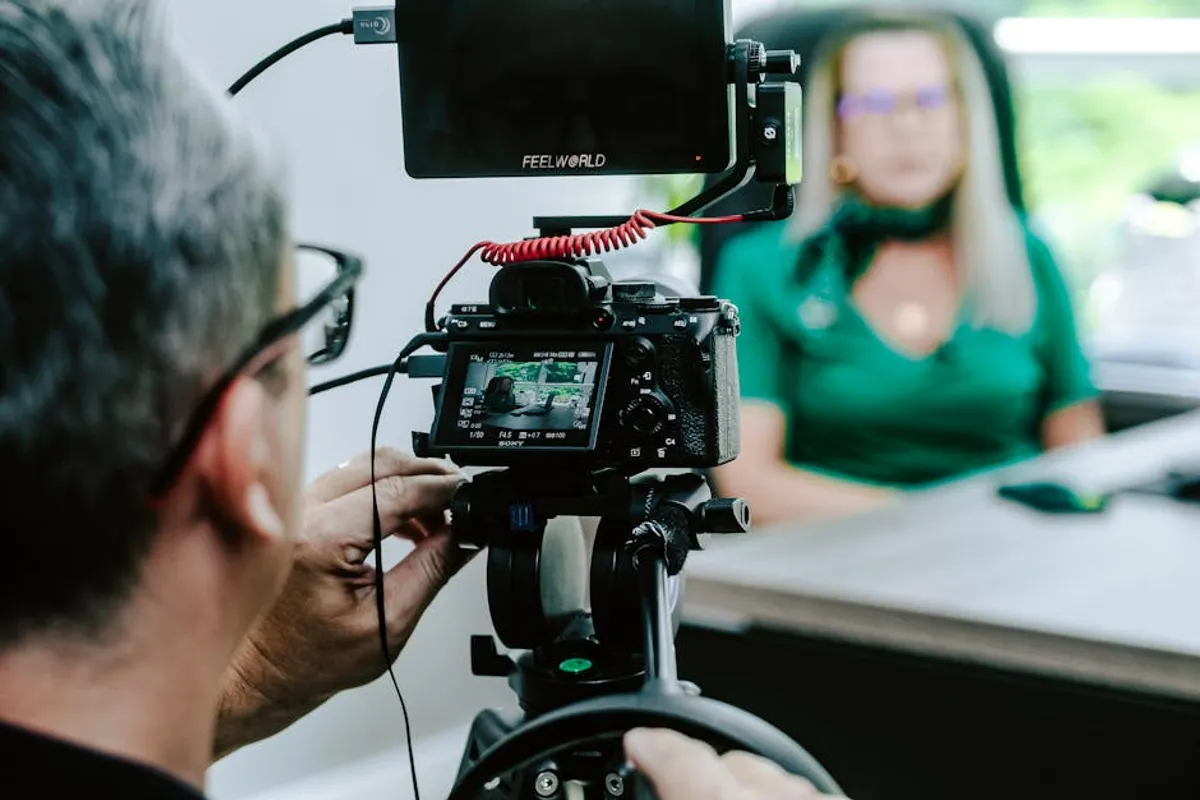
Pro Tip: Always record interviews with explicit permission. Use a reliable audio recorder (even a smartphone can suffice) and consider a backup. Transcription services, whether manual or AI-assisted, are invaluable for accurately capturing quotes and details, saving significant time during content creation and ensuring precise attribution.
Leveraging Interview Insights for Content
Extracting Unique Value
The raw interview transcript is a goldmine of unique content. Isolate specific quotes that are particularly evocative, historically significant, or offer a fresh perspective. Identify dates, names, and events that might not appear in general historical overviews. Look for the "local color"—the anecdotes, personal experiences, and community-specific details that only a local historian can provide. Cross-reference any factual claims with other reliable sources to ensure accuracy, especially when dealing with potentially sensitive or controversial topics.
Integrating into Diverse Content Formats
Interview insights can be woven into a variety of content types. For blog posts, use direct quotes to add authority and human interest. For local SEO pages, integrate specific historical facts about landmarks, businesses, or neighborhoods to enhance relevance. Develop case studies around historical events or figures, or create social media snippets featuring compelling historical tidbits. Video scripts can benefit from the historian's voice and perspective, bringing local history to life. Always attribute information clearly to the historian, enhancing your content's credibility and demonstrating proper journalistic ethics.
Maximizing Your Investment
The effort invested in interviewing local historians yields a high return in content quality and commercial utility. You gain access to primary, often unpublished, information that differentiates your site. This unique content serves as an authoritative signal for search engines, improving E-E-A-T and local search rankings. Beyond SEO, it fosters community goodwill, positions your brand as a trusted local resource, and creates evergreen content that continues to attract and engage audiences over time. These deep dives into local history establish a foundation of authenticity that generic content cannot replicate, building a stronger connection with your target audience and reinforcing your commercial objectives through genuine value.
Frequently Asked Questions
How long should a typical interview with a local historian last?
Aim for 45 to 90 minutes. This allows enough time for in-depth discussion without overtaxing the historian's schedule. Always confirm their preferred duration beforehand.
Should I offer payment to local historians for their time?
While many historians volunteer their time out of passion, it's professional to offer an honorarium, especially if their insights are central to a commercial project. If payment isn't feasible, offer a prominent credit, a copy of the final content, or a donation to their affiliated historical society.
What if a historian is hesitant to share certain information?
Respect their boundaries. They may be bound by confidentiality agreements, protecting ongoing research, or simply uncomfortable with a particular topic. Focus on areas where they are willing to share, and never pressure them.
How do I ensure the accuracy of the historical information provided?
Always cross-reference key facts, dates, and names with multiple reputable sources (e.g., historical archives, established academic texts, other historians). Ask the historian about their sources during the interview to aid in your verification process.