
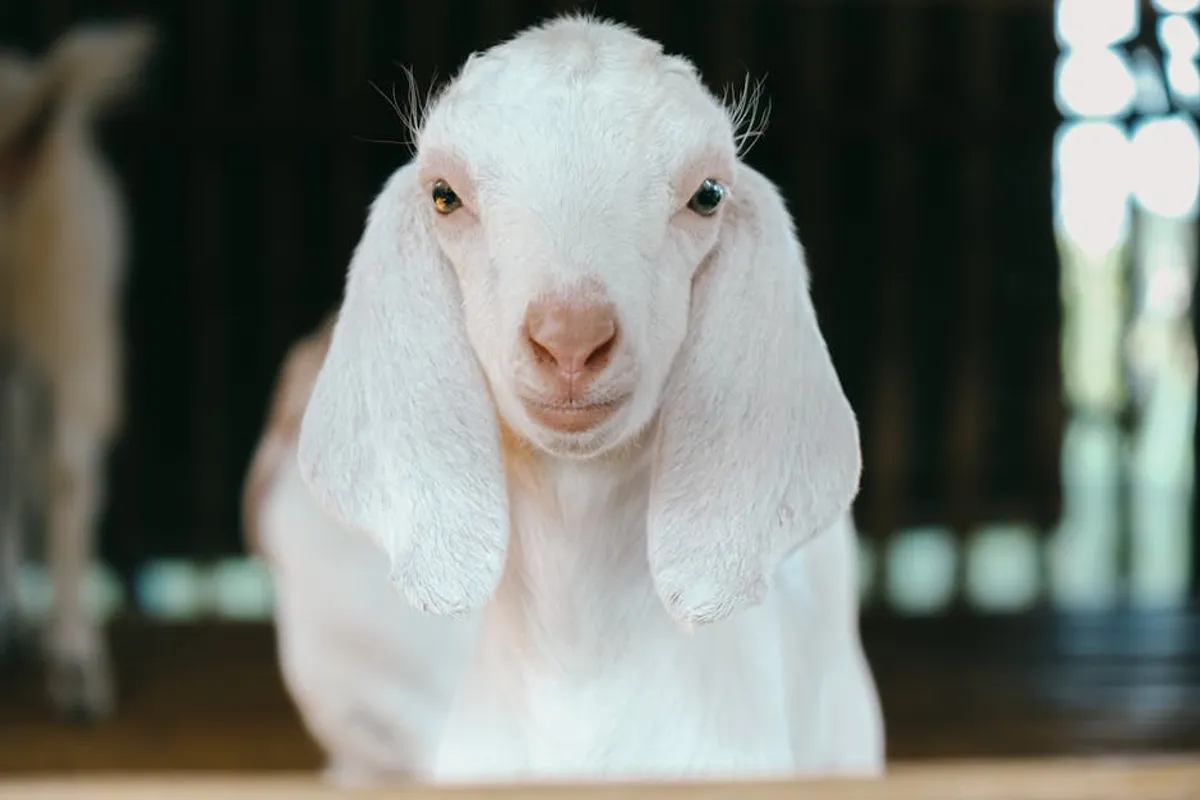
Understanding the anatomy of niche content, even something as specific as goat puns, offers content creators and marketers a granular view into audience engagement, linguistic play, and visual communication. This exploration is not about the intrinsic value of goat puns themselves, but about dissecting the principles that make any specialized humor or content resonate. By examining their meaning, stylistic construction, historical presence, and visual integration, content strategists can extract actionable insights applicable to broader brand voice development, social media campaigns, and creative content initiatives. The goal is to move beyond generic content creation and pinpoint the precise mechanisms that drive connection and memorability, transforming what might seem like trivial subject matter into a case study for effective, targeted communication.
Deconstructing the Appeal of Goat Puns
Goat puns, like many forms of wordplay, operate on principles of cognitive surprise and linguistic ambiguity. Their effectiveness stems from the unexpected juxtaposition of familiar sounds or words with a humorous, often absurd, context. For content creators, this means understanding the audience's baseline knowledge and then subverting it playfully.
- Phonetic Similarity: Puns often rely on homophones or near-homophones (e.g., "goat" and "go"). The brain processes the expected word, then encounters the unexpected, triggering a moment of cognitive re-evaluation that results in humor.
- Semantic Double Entendre: Many puns leverage words with multiple meanings, one literal and one figurative or contextual (e.g., "kid" referring to a young goat or a child). This layering adds depth and requires active audience participation to "get" the joke.
- Relatability and Anthropomorphism: Goats, as animals, lend themselves to anthropomorphic qualities in humor. Puns often project human characteristics or situations onto goats, making the humor more accessible and relatable to a human audience. This technique can build an emotional bridge for brand messaging.
Commercial Application: Brands can adapt this understanding to create memorable taglines or campaign themes. Identifying core brand values or product features that can be playfully reinterpreted through wordplay allows for unique, shareable content that stands out in a crowded digital landscape.
Stylistic Crafting for Maximum Impact
The construction of a compelling goat pun involves more than just swapping words; it demands precision in phrasing and an awareness of comedic timing. Effective puns are concise, avoiding unnecessary words that dilute the impact. They often build to a punchline that delivers the linguistic twist efficiently.
Common Linguistic Structures
Puns frequently employ specific structures that enhance their comedic effect:
- Question-Answer Format: "What do you call a goat that paints? Vincent Van Goat." This format sets up an expectation and delivers the pun as the resolution.
- Direct Statement with Twist: "Don't get my goat!" Here, a common idiom is recontextualized.
- Adjective/Noun Modifiers: "That's a baa-d idea." While not strictly goat-related, the principle of substituting a sound-alike adjective applies directly.
Best for: Social media micro-content, advertising copy, and interactive brand engagement where brevity and immediate impact are crucial.
Pro Tip: When crafting puns for commercial use, ensure the humor aligns with your brand's established tone. A pun that feels forced or off-brand can detract from your message, rather than enhance it. Test variations with a small audience segment to gauge reception and clarity.
A Brief History of Puns in Popular Culture
Puns are not a modern invention. From Shakespearean plays to classical literature, wordplay has served as a sophisticated form of wit and social commentary. In the context of advertising and popular culture, puns have experienced resurgences, particularly with the rise of digital media and the demand for shareable content.
Historically, puns in advertising aimed for memorability and a clever association with a product. Think of classic slogans that played on words to highlight a benefit or characteristic. The internet, with its meme culture and rapid information dissemination, has amplified the reach and impact of niche humor, including animal-specific puns. Goat puns, in particular, have found a home in online communities due to the animal's distinct characteristics and the phonetic versatility of the word "goat." This historical trajectory demonstrates that content with a clever linguistic hook often possesses longevity and viral potential, a valuable lesson for contemporary content strategy.
Integrating Visuals: The "Visual Guide" to Puns
The impact of a goat pun is significantly amplified when paired with complementary visuals. A strong visual component can clarify the pun, enhance its humor, and make the content more shareable across platforms. This is where the "visual guide" aspect becomes critical for content creators.
Synergistic Visual-Text Combinations
Visuals should not merely illustrate the text; they should actively participate in the joke. Consider:
- Literal Interpretation: A pun about a "billy goat" could be paired with an image of a goat wearing a human name tag that says "Billy." This literal visual enhances the wordplay.
- Exaggeration and Absurdity: If the pun involves a goat doing something unusual, the visual can exaggerate this action, pushing the humor further. For example, a "greatest of all time" (G.O.A.T.) pun paired with a goat standing on a podium with a medal.
- Contextual Cues: Using a visual that sets the scene for the pun. A pun about a "kid" could show a baby goat next to a playground, subtly reinforcing the double meaning.
Practical Application: For social media, consider animated GIFs or short video clips that visually deliver the punchline. For static content, high-quality illustrations or photographs that directly engage with the pun's theme are essential. Visuals are the primary hook for many online users, making their integration with textual humor a key component of effective content design.
Applying Niche Humor Principles to Your Content Strategy
Understanding the mechanics of goat puns provides a framework for developing engaging, memorable, and shareable content across various niches. By dissecting the linguistic style, historical context, and visual integration, content strategists can apply these principles to any subject matter. Focus on phonetic play, semantic depth, and audience-specific humor. Integrate visuals that amplify, rather than just decorate, the textual message. This approach allows for the creation of content that not only informs but also entertains, fostering deeper audience connection and brand recall.
Frequently Asked Questions
How can puns improve content engagement?
Puns enhance engagement by requiring active cognitive processing from the audience, fostering a sense of cleverness or shared understanding when the joke is "gotten," which encourages sharing and discussion.
Are puns suitable for all brand voices?
No, puns are best suited for brands with a playful, witty, or approachable tone. Brands aiming for a highly serious, formal, or authoritative image may find puns detract from their established voice.
What is the role of visuals in pun-based content?
Visuals are crucial for pun-based content as they can clarify ambiguous wordplay, amplify humor through exaggeration, and provide an immediate, eye-catching hook, making the content more accessible and shareable.