What Were Pillboxes Used For in World War Two?
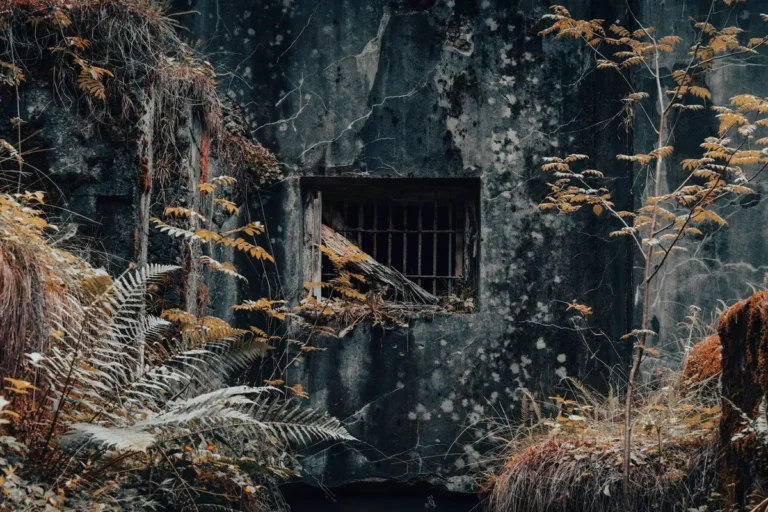
World War Two pillboxes served as crucial defensive strongholds, designed to impede invasion forces with strategic fire and robust construction.
Geoffrey served as a regular army officer for twenty-three years before retiring to teach military history at sixth-form level for another decade. Since proper retirement he has been documenting the surviving Second World War defensive structures of Somerset and the broader West Country, including the pillboxes of the Taunton Stop Line and various ancillary works that shaped the region's coastal and inland defences. The writing is editorial in tone and historical in substance. The intent is honest engagement with a particular kind of vernacular military heritage that mainstream history writing has rarely treated with the seriousness it deserves.
Page 10 of 11 121 articles total
World War Two pillboxes served as crucial defensive strongholds, designed to impede invasion forces with strategic fire and robust construction.
Explore the British Home Front during both World Wars, examining civilian life, rationing, civil defense, and societal shifts crucial for historical content.
Unlock the commercial and SEO potential of local heritage walks in Somerset for content creators.
Explore the foundational history of UK defence lines, from Roman fortifications to Cold War structures, understanding their strategic evolution and enduring.
Explore the strategic purpose, diverse designs, and historical significance of World War Two pillboxes across the UK, offering insights into Britain's wartime.
Explore a detailed guide to Somerset's WWII pillboxes, covering their strategic history, diverse types, and key geographical locations across the county.
The pillboxes of Somerset and the broader 1940 defensive heritage tell us specific things about what we did, what we prepared for,…
The local battalions of Somerset played specific roles in the defensive period of 1940-1941. The roles are documented in regimental records but…
The vernacular military heritage of 1940 documents a defensive effort that was never tested. Engaging with it is a particular kind of…
The field documentation of surviving pillboxes is amateur work in the technical sense — done by enthusiasts rather than professional archaeologists —…
Vernacular military heritage like the surviving pillboxes occupies a particular cultural position. It is mostly outside the formal heritage protection framework. It…
The construction of British pillboxes in summer and autumn 1940 happened under specific conditions that shaped what was built and where. The…