
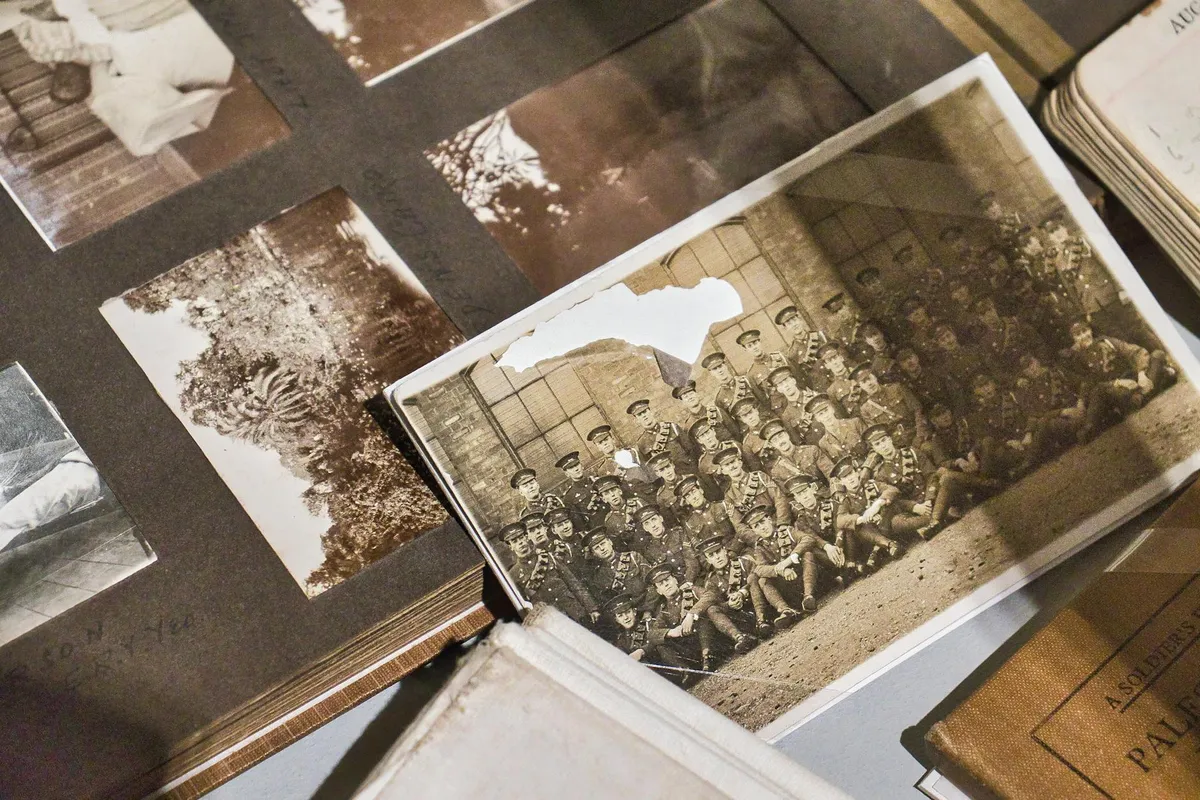
The local battalions of Somerset — the Somerset Light Infantry primarily, but also various ancillary units with significant Somerset recruitment — played specific roles in the defensive period of 1940 and into 1941. The roles are documented in regimental records and in various memoir literature but are rarely synthesised in accessible form. This essay attempts a synthesis that situates the local units in the broader defensive effort that the surviving pillboxes documented in earlier essays were designed to support.
The Somerset Light Infantry battalion structure
The Somerset Light Infantry by mid-1940 included multiple battalions distributed across various roles. The 1st Battalion was a regular battalion that had been in the Mediterranean theatre. The 2nd Battalion was a regular battalion that had been engaged in the Battle of France and had been evacuated. The Territorial Army battalions — primarily the 4th and 5th Battalions — had been mobilised at the outbreak of war and were engaged in home defence by mid-1940.
The Territorial battalions are the primary focus of this essay because they were the units most directly involved in the home defensive effort that the Somerset pillboxes were part of. The regular battalions were engaged in the broader war effort beyond the home defence requirement.
By summer 1940 the Territorial battalions had been brought up to operational strength through various means including new recruitment and the integration of returning evacuees from France. The battalions were engaged in training, in defensive position preparation, and in various coastal defence roles.
The 4th Battalion role
The 4th Battalion of the Somerset Light Infantry was engaged primarily in defensive duties in the West Country during 1940 and 1941. The battalion had specific responsibilities related to coastal defence in Devon and Somerset, and to the broader defensive system that included the Taunton Stop Line.
The battalion's defensive role included occupying specific positions along the defensive lines, conducting training exercises that prepared for the defensive engagement that was expected, supporting the construction of additional defensive infrastructure where required, and maintaining the operational readiness that the defensive role required.
The training programme during this period was intensive. The battalion conducted regular exercises that simulated defensive engagement against various invasion scenarios. The exercises tested the defensive positions that the battalion was responsible for. They tested the communication and coordination between positions. They tested the response to various potential attack patterns.
The exercises produced specific learning that informed both the battalion's readiness and the broader development of the defensive plan. Lessons from individual exercises were aggregated and contributed to the evolution of doctrine that was being developed across the home defence forces during this period.
The 5th Battalion role
The 5th Battalion had a parallel role in a different geographic area, with primary responsibility in the Salisbury Plain and Wiltshire areas adjacent to Somerset. The battalion was engaged in similar defensive duties to the 4th Battalion but in different terrain and with different specific responsibilities.
The 5th Battalion role included specific responsibilities related to the army training infrastructure on Salisbury Plain. The training areas were significant national assets that required specific protection. The battalion contributed to that protection while also conducting its own training and maintaining defensive readiness.
The relationship between the 5th Battalion in its area of responsibility and the broader defensive system included coordination with the 4th Battalion in adjacent areas. The defensive plan required the units to support each other across area boundaries. The coordination was conducted through regular communication and through joint exercises.
The other Somerset units
Beyond the principal infantry battalions, several other units had significant Somerset connections and contributed to the defensive effort.
The Somerset Yeomanry was a Territorial Army unit that had been converted from cavalry to artillery roles before the war. The unit was engaged in artillery duties that supported the broader home defence effort. The artillery role was significant because the defensive lines depended on artillery support to engage attacking forces beyond the range of infantry weapons.
Various Royal Engineers units with Somerset recruitment were engaged in the construction work that produced the defensive infrastructure. The construction involved both military engineers and civilian contractors as discussed in earlier essays. The military engineering units provided supervision and the more technically demanding construction.
The Royal Army Service Corps units with Somerset connections were engaged in the logistics work that supported the defensive forces. The defensive units required food, fuel, ammunition, and various other supplies that the Service Corps provided.
The Royal Army Medical Corps had Somerset connections through the various medical facilities that supported the defensive units. The medical infrastructure was significant in its own right and required specific operational arrangements.
The Home Guard role
The Home Guard organisation in Somerset complemented the regular and Territorial Army units. The Home Guard was organised at the local level with specific responsibilities for local defence and for the early warning and reporting that the broader defensive system required.
The Somerset Home Guard included specific battalions organised along county lines. The battalions were tasked with local defensive duties including the manning of certain pillboxes, the patrolling of vulnerable points, and the early warning function in the event of invasion or paratroop landing.
The Home Guard composition included substantial participation by men outside the age range for regular military service. Veterans of earlier conflicts. Workers in reserved occupations. Older men who could not be conscripted but who could contribute to home defence. The participation pattern produced units with specific characteristics that affected their operational role.
The training and equipment of the Home Guard developed across 1940 and 1941. Initial improvisation gave way to more systematic training and to better equipment supply. By 1941 the Home Guard was a meaningful component of the home defence capability rather than a purely symbolic organisation.
The coordination challenges
Coordinating the various units involved in the defensive effort was a substantial operational challenge that was not always smoothly addressed.
The regular and Territorial Army units operated under standard military command structures that were designed for the demands of conventional military operations. The integration with the Home Guard required specific arrangements because the Home Guard was a different kind of organisation with different operational characteristics.
The civilian construction workforce that built the defensive infrastructure required coordination with the military units that would occupy the structures. The handover from construction to operational occupation involved specific arrangements that were not always managed cleanly.
The coordination across geographic boundaries — between units responsible for different sectors of the defensive system — required specific communication arrangements that varied in their effectiveness. Some sector boundaries were well-managed. Others produced gaps that the defensive plan would have struggled to address in actual engagement.
The coordination with civilian authorities — police, fire services, civil defence organisations, local government — was extensive and varied in its effectiveness. The civilian support functions were essential to the defensive plan but were not always integrated as smoothly as the operational requirements would have required.
The operational readiness over time
The operational readiness of the various units developed over time across the defensive period. Initial mobilisation produced units that were not fully prepared for the defensive role. Sustained training and operational experience improved readiness across 1940 and into 1941. By the time the immediate invasion threat was understood to have passed, the units were substantially more capable than they had been at the beginning of the defensive period.
The development of readiness involved specific identifiable patterns. Initial training emphasised individual soldier skills and basic unit formations. Subsequent training emphasised the specific defensive role including position occupation, fire control, and coordination with adjacent units. Advanced training included exercises that simulated defensive engagement against various attack scenarios.
The readiness varied across units based on factors including command quality, training time available, equipment supply, and various local factors. Some units achieved high readiness levels relatively quickly. Others took longer or never quite reached the readiness levels their roles required.
The post-defensive-period transition
As the immediate invasion threat receded through 1941 and into 1942, the units involved in the defensive effort transitioned to other roles. The Territorial battalions of the Somerset Light Infantry were eventually deployed to other theatres. The Home Guard continued in home defence role but with reduced operational urgency. The Royal Engineers units shifted to other construction and engineering tasks.
The transition was gradual and was managed differently for different units. Some units retained their defensive responsibilities longer than others. Some were redeployed earlier as the broader strategic situation evolved. The variation reflected the specific operational circumstances rather than uniform planning.
The post-defensive-period history of the units involved is itself substantial and is documented in various regimental histories and memoir literature. The Somerset Light Infantry units that had been engaged in home defence eventually saw service in various theatres including the Italian campaign, Burma, and Northwest Europe. The various other units had similarly varied subsequent histories.
What the local history adds
The local history of the Somerset units during the defensive period adds specific dimensions to the broader understanding of what the defensive effort involved.
It provides the human dimension that the structural history of pillboxes and defensive lines does not capture. The men who occupied the positions were specific people from specific local communities. The defensive period affected their lives and their communities in specific ways that the structural history does not address.
It provides the operational dimension that connects the structures to the human use that was anticipated. The pillboxes were not abstract defensive infrastructure. They were positions that specific units would have occupied if the defensive plan had been activated. The local unit history makes the operational context of the structures specific.
It provides the social dimension that connects the wartime defensive effort to subsequent local cultural memory. The participation of local men in the defensive units shaped local communities in ways that continued to be visible for years afterward. The local cultural memory of the defensive period draws partly on the experiences of the local units.
It provides the institutional dimension that connects the defensive period to the broader history of the Somerset Light Infantry and the other regional units. The units have their own institutional histories that the defensive period was part of. Understanding the institutional context situates the defensive period within the units' longer trajectories.
What the synthesis enables
Synthesising the various dimensions of the local defensive history produces understanding that the individual dimensions alone do not produce.
The structural heritage and the human history together produce a more complete picture of what the defensive effort actually was than either alone provides. The structures without the human context are abstract engineering. The human context without the structures lacks the physical specificity that the structures provide. Together they produce more complete historical understanding.
The synthesis also supports the educational and cultural engagement work discussed in earlier essays. School visits to surviving pillboxes are more meaningful when they include the local unit history that connects the structures to specific people from local communities. Local heritage events that include both structural and human history produce richer engagement than events that focus on either alone.
The synthesis is the kind of work that local heritage organisations and serious amateur historians can produce when they combine structural fieldwork with archival research on the local units. Neither dimension alone would produce the synthesis. Both together produce historical work that contributes meaningfully to local cultural memory.
This essay has attempted a brief synthesis of one specific dimension. Fuller synthesis across the various dimensions of the Somerset defensive history would produce more substantial work than this single essay can accomplish. The work is worth doing for those willing to undertake it. The local history of the defensive period deserves the kind of synthesised treatment that the standard military histories do not typically provide.