
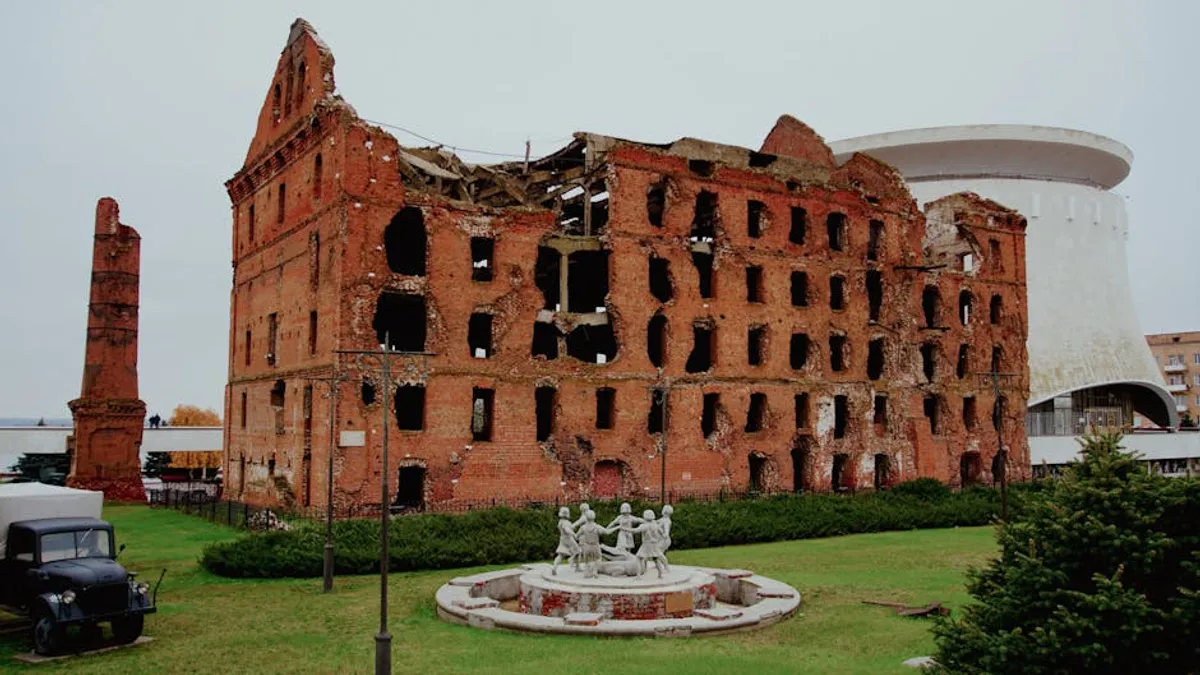
The UK's World War II sites represent a significant, yet often underestimated, content opportunity for publishers and marketers. Beyond mere historical interest, these locations attract diverse audiences, from academic researchers and family historians to heritage tourists and educational groups. Understanding the specific intent behind searches for these sites—whether informational, navigational, or commercial—is crucial for developing targeted content strategies. This article outlines how to identify key site categories, leverage distinct audience needs, and implement practical SEO tactics to capture organic traffic and establish authority within this niche.
Identifying Key WWII Site Categories for Content Clustering
Effective content planning for WWII sites begins with a granular understanding of their varied classifications. Grouping sites by type allows for the creation of thematic content clusters, which enhances topical authority and improves internal linking structures. Each category often corresponds to distinct search queries and user intents.
- Coastal Defenses and Fortifications: This includes concrete pillboxes, anti-tank obstacles, gun emplacements, and observation posts found along the UK's coastline and inland defensive lines. Content here can focus on engineering, strategic purpose, regional variations, and preservation efforts.
- Airfields and Aviation Heritage: Sites like former RAF bases, aircraft production factories, and associated museums. Content can explore specific squadrons, aircraft types, Battle of Britain history, and personal stories of aircrew.
- Underground Command Centers and Bunkers: Secret war rooms, government bunkers, and air raid shelters. These sites often appeal to those interested in strategic planning, civilian defense, and Cold War history.
- Home Front Locations: Factories, evacuation points, civilian training facilities, and areas significantly impacted by bombing raids. This category allows for content on social history, industrial output, and community resilience.
- Memorials and Museums: Dedicated remembrance sites, local history museums with WWII exhibits, and larger national institutions. Content here often serves informational and educational intent, detailing events, individuals, and the broader impact of the war.
Understanding Audience Intent for WWII Content
The success of content targeting WWII sites hinges on aligning with specific user intent. Ignoring this leads to high bounce rates and missed conversion opportunities.
Informational Intent: Users seeking facts, historical context, or detailed descriptions.
Content Focus: In-depth articles, historical timelines, biographical sketches of key figures, explanations of military technology or strategic decisions.
Example Keywords: "history of [site name]", "purpose of [site type]", "WWII events in [region]".
Navigational Intent: Users looking for specific site locations, directions, or operational details.
Content Focus: Maps, opening times, visitor information, accessibility details, parking.
Example Keywords: "[site name] directions", "visit [site name]", "[site name] opening hours".
Commercial/Transactional Intent: Users interested in booking tours, purchasing related merchandise, or finding accommodation near sites.
Content Focus: Curated tour packages, links to ticket sales, reviews of nearby hotels or guesthouses, product listings for books or memorabilia.
Example Keywords: "WWII tours UK", "accommodation near [site name]", "buy [WWII related item]".
Content Opportunities: Beyond Basic Site Listings
To establish authority and capture diverse search queries, content must extend beyond simple directories. Focus on unique angles and value-added resources.
Deep-Dive Case Studies: Select a single site and produce an exhaustive article covering its construction, operational history, notable events, and post-war fate. Include archival photos, blueprints, and personal testimonies where available. This builds a robust content asset.
Thematic Trails and Itineraries: Create guides for multi-site visits, such as "A Weekend Tour of Battle of Britain Airfields" or "Exploring D-Day Training Grounds in Southern England." These cater to travel planners and offer opportunities for affiliate partnerships.
"Then and Now" Visual Comparisons: Use historical photographs alongside modern images of the same location. This visual content performs well on social media and can attract links from history blogs and forums.
Educational Resources: Develop downloadable lesson plans, fact sheets, or virtual tours for educators. This targets a specific, high-value audience and can generate authoritative backlinks from educational institutions.
Personal Narratives and Oral Histories: Collect and publish stories from veterans, their families, or civilians who lived through the war near these sites. This humanizes history and provides unique, unreplicable content.
Leveraging Specific Site Types for Niche Authority
Specialization within the broader WWII sites niche can be a powerful strategy for new entrants or smaller publishers. Instead of broadly covering all sites, focus on a sub-category to build deep expertise.
Best for: Establishing rapid authority and attracting highly specific long-tail traffic.
For example, a dedicated focus on "UK Coastal Defenses of WWII" allows for detailed content on specific pillbox designs, anti-invasion strategies, or the role of local Home Guard units. This depth of information is difficult for general history sites to replicate. Similarly, specializing in "WWII Airfields of East Anglia" enables comprehensive coverage of individual runways, hangars, and the specific units stationed there, attracting aviation enthusiasts and local historians. This targeted approach positions the content as the definitive resource for that specific sub-niche.
Pro Tip: Implement schema markup for 'HistoricalEvent', 'Place', and 'LocalBusiness' (where applicable) on individual site pages. This provides search engines with structured data, improving visibility in rich results and local search packs, especially for sites with visitor information.
Practical Content Development and Promotion
Beyond creation, strategic promotion and technical optimization ensure content reaches its intended audience.
Keyword Research: Utilize tools to identify long-tail keywords related to specific sites, events, and historical figures. Look for question-based queries that indicate informational intent.
Internal Linking: Build a robust internal link structure, connecting related articles (e.g., from a general "WWII Airfields" hub page to individual airfield deep dives). This distributes link equity and helps users navigate.
Backlink Acquisition: Proactively reach out to historical societies, educational institutions, local tourism boards, and relevant history blogs. Offer your unique content as a resource. Participate in online forums and communities where WWII history is discussed.
Visual Optimization: Ensure all images are high-quality, relevant, and optimized with descriptive alt text and captions. Consider embedding interactive maps or 360-degree tours for enhanced engagement.
Local SEO Integration: For physical sites, create and optimize Google Business Profile listings, ensuring accurate names, addresses, phone numbers, and opening hours. Encourage reviews from visitors.
Maximizing Visibility: A Strategic Approach
A long-term content strategy for WWII sites involves continuous expansion and refinement. Think of content as an evolving ecosystem rather than a series of isolated articles.
Content Pillars: Establish broad pillar pages for major themes (e.g., "The Home Front in Britain," "Coastal Defenses of the UK"). These serve as authoritative hubs.
Cluster Content: Create numerous supporting articles that delve into specific aspects, sites, or events, linking back to the relevant pillar page. For instance, a pillar on "WWII Airfields" could link to clusters on "RAF Duxford History," "Spitfire Production in WWII," and "Visiting Former RAF Bases."
Regular Updates: Historical content is often evergreen, but new research, archival discoveries, or site developments can provide opportunities for updates. Refreshing content with new information or improved media can boost its relevance.
Cross-Platform Promotion: Share content on relevant social media groups, historical forums, and email newsletters. Consider short video clips or infographics for wider reach.
User Engagement: Implement comment sections or forums to encourage discussion and user-generated content, which can provide fresh perspectives and additional long-tail keyword opportunities.
Frequently Asked Questions
How can I find lesser-known WWII sites in the UK for content ideas?
Explore local archives, county historical records, and regional heritage trusts. Many smaller sites are documented at a local level rather than in national histories. Ordnance Survey maps from the WWII era can also reveal forgotten installations.
What kind of content performs best for historical sites?
Deeply researched, unique content that combines historical accuracy with engaging narratives and high-quality visuals tends to perform best. This includes detailed site histories, "then and now" comparisons, and personal accounts.
Is there commercial potential in WWII site content?
Yes, significant commercial potential exists through affiliate marketing for tours, accommodation, books, and merchandise. Direct sales of digital guides, maps, or educational resources also represent a revenue stream.
How can I ensure historical accuracy in my content?
Always cross-reference information with multiple reputable sources, including academic texts, official government archives, and established historical organizations. Consult with local historians or site experts when possible.