
For content strategists, publishers, and marketers, understanding the calendar of World War Two awareness days and remembrance dates presents a distinct opportunity to connect with audiences through highly relevant, historically significant content. These dates are not merely historical markers; they represent recurring peaks in public interest, search queries, and emotional engagement. Integrating these observances into a content plan allows for the development of timely, authoritative, and deeply resonant material that can drive organic traffic, foster community, and establish a brand's voice on topics of historical importance. The strategic advantage lies in anticipating these moments of heightened public consciousness and preparing valuable content that meets specific informational, commemorative, or educational needs.
The Commercial Value of Commemoration: Why These Dates Matter
Aligning content with World War Two awareness and remembrance dates offers several commercial benefits beyond simple historical acknowledgment. Each date provides a predictable, recurring spike in search volume and social media engagement, creating a reliable framework for content activation. For instance, D-Day anniversaries consistently generate interest in personal stories, historical accounts, and geographical locations tied to the event. Similarly, Remembrance Sunday prompts searches for memorial services, historical context, and ways to honor veterans. By mapping these dates to a content calendar, organizations can:
- Capture Topical Authority: Consistently publishing well-researched, high-quality content around these events positions a site as an authoritative source on related historical subjects. This builds trust and can improve organic search rankings for relevant keywords.
- Engage Niche Audiences: Specific dates appeal to distinct segments, from history enthusiasts and genealogists to educational institutions and veteran communities. Tailored content can deeply resonate with these groups, fostering loyalty and sharing.
- Drive Evergreen Content Potential: While tied to specific dates, much of the content created can have long-term value. Historical explainers, biographical pieces, or analyses of events remain relevant year after year, providing continuous value and traffic.
- Enhance Brand Reputation: Demonstrating sensitivity, historical accuracy, and a commitment to remembrance can significantly enhance a brand's public image and perceived values.
Key World War Two Awareness Days and Remembrance Dates for Content Planning
A structured approach to these dates requires knowing the most significant ones and their specific connotations:
January 27: Holocaust Memorial Day
This international day commemorates the victims of the Holocaust and other genocides. Content should focus on education, remembrance, survivor testimonies, and the lessons learned.
Content Angle: Deep historical dives into specific aspects of the Holocaust, educational resources for schools, discussions on contemporary relevance of prejudice and discrimination.
May 8: Victory in Europe (VE) Day
Marks the formal acceptance by the Allies of Nazi Germany's unconditional surrender of its armed forces, signifying the end of World War II in Europe.
Content Angle: Celebratory yet reflective pieces on the end of the war, stories of liberation, post-war reconstruction, and personal accounts from those who lived through it.
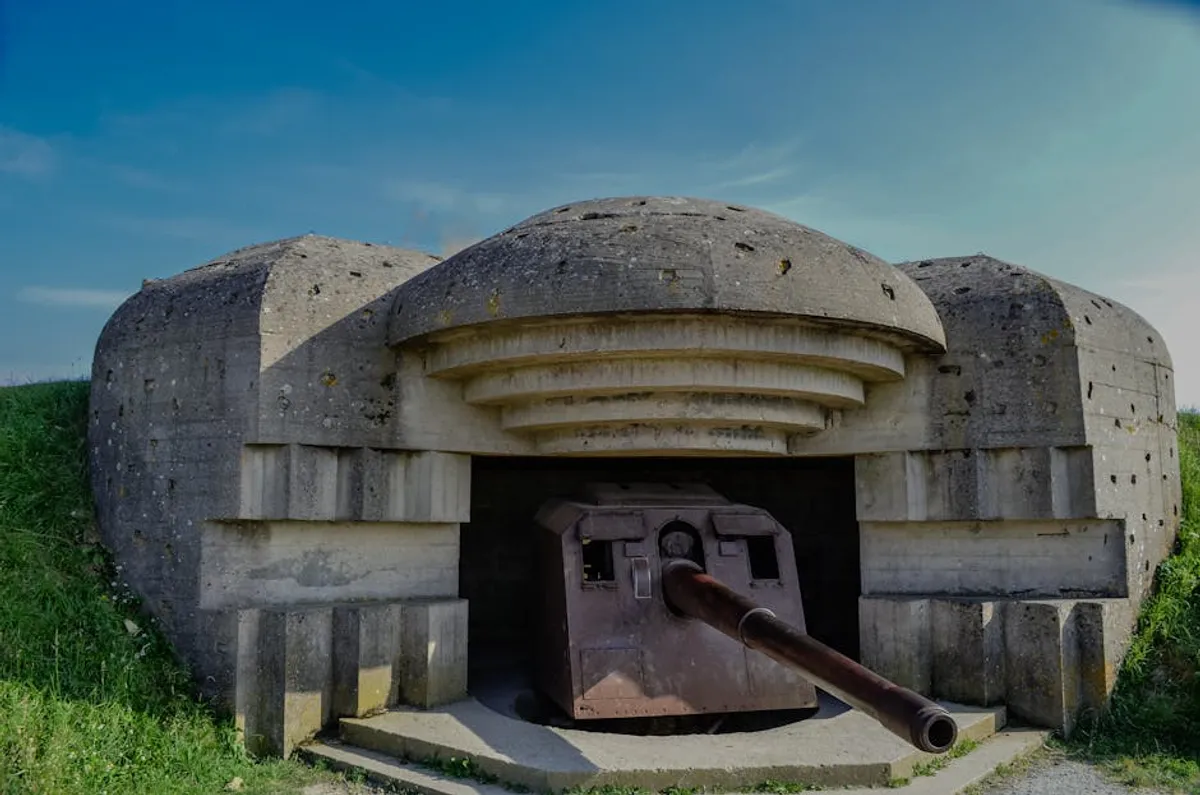
June 6: D-Day (Normandy Landings)
Commemorates the Allied forces' landing on the beaches of Normandy, France, marking the beginning of the liberation of Western Europe.
Content Angle: Detailed historical accounts of the landings, specific unit histories, maps and strategic analyses, personal stories of soldiers involved, and virtual tours of memorial sites.
August 15: Victory over Japan (VJ) Day
Commemorates Japan's surrender, effectively ending World War II globally.
Content Angle: Focus on the Pacific Theater, the experiences of Allied and Japanese forces, the impact of the atomic bombings, and the long-term geopolitical consequences.
November 11: Remembrance Day / Veterans Day
Observed in Commonwealth countries to remember the fallen service members, while in the United States, Veterans Day honors all military veterans.
Content Angle: Profiles of veterans, discussions on the importance of remembrance, guides to memorial services, the symbolism of the poppy (where applicable), and the ongoing legacy of military service.
Strategic Content Planning Around WW2 Dates
Effective content planning integrates these dates into a broader strategy:
Identifying Audience Intent
Each date can cater to different search intents. For Holocaust Memorial Day, informational and educational intent often dominates, requiring factual, sensitive, and comprehensive resources. VE Day might see a mix of celebratory, historical, and personal story intent. D-Day often triggers deep historical research and commemorative intent. Understanding these nuances allows for precise keyword targeting and content structuring.
Content Formats and Distribution
Varying content formats can maximize reach. Long-form articles and historical explainers serve informational intent. Short-form social media posts with striking visuals or quotes can drive engagement for awareness. Video documentaries or interviews with historians/descendants offer rich, immersive experiences. Podcasts can explore specific battles or personal narratives. Distribute content across relevant platforms, from academic forums to social media groups dedicated to history.
SEO Considerations for Historical Content
Keyword research should extend beyond generic terms to include specific dates, events, and figures (e.g., "D-Day landing beaches," "VE Day celebrations 1945," "Holocaust survivor stories"). Implement schema markup for events where appropriate, helping search engines understand the temporal relevance of your content. Develop robust internal linking structures that connect related historical articles, building topical clusters and reinforcing authority. Consider creating dedicated hub pages for major events that aggregate all related content.
Pro Tip: When planning content for World War Two remembrance dates, always prioritize historical accuracy and sensitivity. Verify all facts with multiple reputable sources. Content that is perceived as exploitative or inaccurate can severely damage credibility and audience trust. Focus on education and respectful commemoration.
Ethical Considerations and Best Practices
The sensitive nature of World War Two events demands a high degree of ethical consideration. Content should always aim to be informative and respectful, avoiding sensationalism or trivialization. Authenticity and value are paramount. Instead of merely capitalizing on trends, strive to contribute meaningfully to public understanding and remembrance. This means investing in well-researched content, citing sources, and potentially collaborating with historical societies or experts.
Maximizing Reach and Impact Through Pre-Planning
To truly leverage these dates, pre-planning is essential. Content creation should begin months in advance, allowing ample time for research, writing, editing, and graphic design. This also enables strategic outreach to potential collaborators (e.g., historians, museums, veteran organizations) and allows for the development of comprehensive promotion plans. Repurpose existing high-performing content by updating it with fresh perspectives or new data for upcoming anniversaries. Cross-promotion across various channels – email newsletters, social media, partner sites – can amplify reach significantly.
Integrating Awareness Dates into Your Annual Content Calendar
Successfully incorporating World War Two awareness and remembrance dates into a content strategy requires a structured, annual approach. Begin by mapping out all significant dates for the upcoming year. For each date, brainstorm relevant keywords, potential content formats (articles, videos, infographics), and specific angles that align with your audience's interests and your brand's voice. Assign creation deadlines well in advance, typically 2-3 months prior to the target publication date, to ensure quality and allow for promotional lead time. Regularly review performance metrics for past commemorative content to refine future strategies, identifying which topics and formats resonate most effectively. This proactive planning transforms historical observances into consistent, valuable content opportunities.
Frequently Asked Questions
How far in advance should I plan content for these dates?
Ideally, begin planning and content creation 2-3 months before the specific awareness or remembrance date. This allows for thorough research, quality production, and strategic promotion.
What kind of content performs best for World War Two dates?
Long-form historical explainers, personal stories from veterans or their families, educational resources, and visual content like archival photos or short documentaries tend to perform well due to high informational and emotional engagement.
Is it appropriate for commercial entities to engage with these dates?
Yes, provided the content is respectful, historically accurate, and genuinely adds value. Focus on education, commemoration, and sharing authentic narratives, rather than direct commercial exploitation of a sensitive topic.
How can I ensure my content is sensitive and accurate?
Always consult multiple reputable historical sources, consider expert review, and prioritize factual reporting over sensationalism. Emphasize the human impact and maintain a tone of respect and solemnity.