
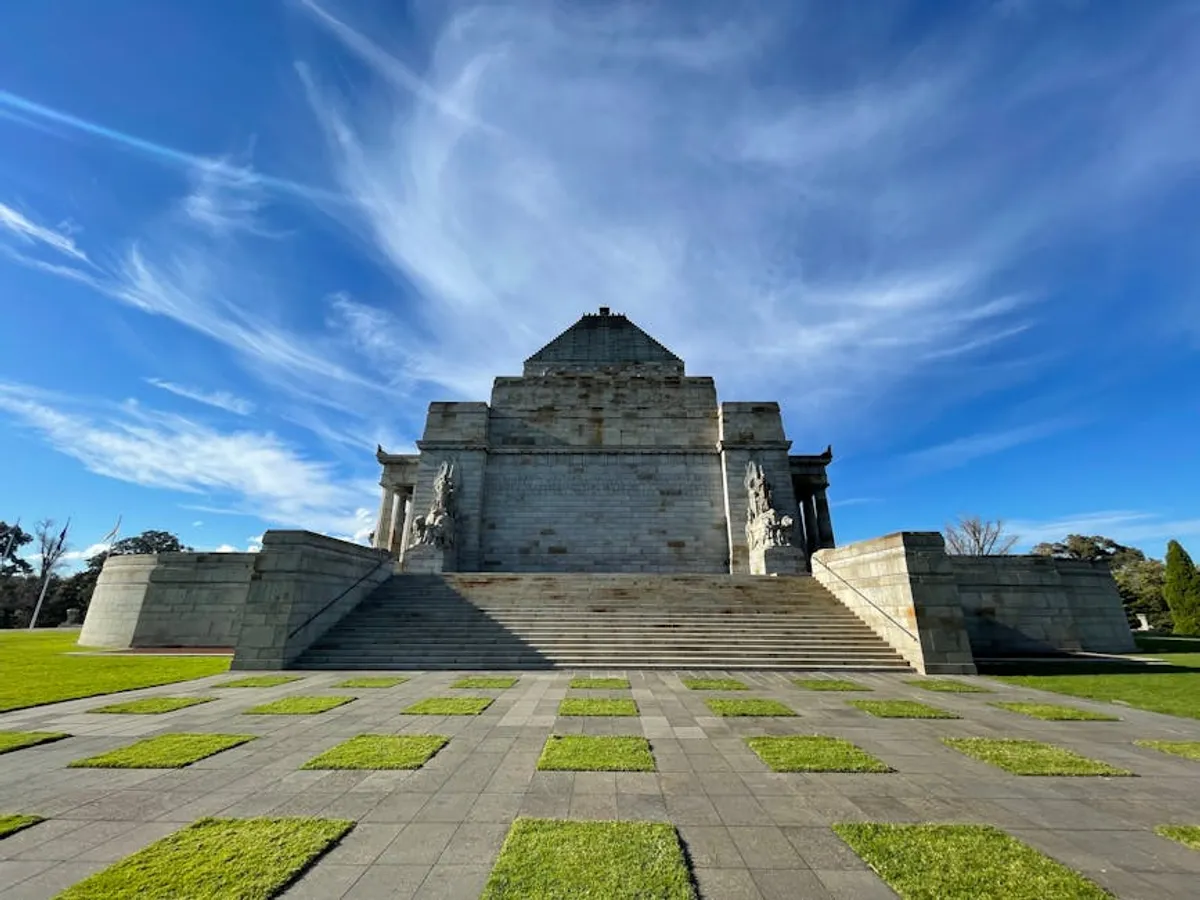
For SEO professionals, content strategists, and site owners, local historical assets like war memorials represent untapped opportunities for hyper-local content, community engagement, and authoritative niche development. A structured approach to war memorial research can yield rich, unique data that differentiates your content, attracts specific local search traffic, and builds trust with audiences seeking genuine historical accuracy. This guide outlines a practical methodology for conducting such research, focusing on actionable steps and commercial utility.
Defining Your Research Scope
Before initiating any research, establish clear parameters. Unfocused exploration can be time-consuming and yield irrelevant data. Pinpointing your objectives from the outset ensures efficiency and relevance for your content strategy.
Setting Clear Objectives
Determine the specific output you aim to create. Are you building a database of memorials in a particular county, detailing the lives of individuals commemorated on a single monument, or tracing the history of a specific regiment through its memorials? Each objective dictates different research priorities and depth.
- Geographic Focus: Define the exact area (e.g., a specific town, county, or region).
- Time Period: Specify the conflict(s) or era(s) of interest (e.g., World War I, World War II, Boer War).
- Type of Memorial: Are you focusing on public monuments, church plaques, school rolls of honor, or a combination?
- Data Points Required: List the essential information for each entry (e.g., location, inscription, names, ranks, regiments, dates of death, biographical details, photographs).
Primary Research Pathways
Primary sources offer direct, unfiltered information, often unavailable elsewhere. These require direct engagement with physical archives or specialized institutions.
Local Archives and Community Resources
Your local library, county archives, and historical societies are invaluable starting points. These institutions hold parish records, local newspaper archives, council minutes, and personal papers that can illuminate the context and individuals behind memorials.
Practical Step: Contact the local archivist or librarian in advance to understand their holdings related to war memorials. Many have online catalogs or finding aids that can save time. Look for:
- Local newspaper articles detailing memorial unveiling ceremonies or appeals for funds.
- Parish magazines or church records listing casualties.
- Council minutes discussing the erection or maintenance of public memorials.
- Family histories or biographical collections of local service personnel.
National and Specialized Databases
Several national bodies maintain comprehensive records critical for war memorial research. These are often the first port of call for verifying names and service details.
Key Resources:
The Commonwealth War Graves Commission (CWGC): Essential for verifying details of those who died in the two World Wars and are buried or commemorated abroad, or whose graves are maintained by the CWGC. Their Debt of Honour Register provides name, rank, regiment, date of death, and place of commemoration.
The National Archives (Kew, UK): Holds extensive military service records, medal rolls, and unit war diaries. Accessing individual service records often requires a fee and can be time-consuming, but provides rich biographical data.
War Memorials Online / Imperial War Museums (IWM): These platforms often host inventories of memorials, sometimes with photographs and transcriptions. They can help identify memorials in your target area and provide initial data points for cross-verification.
Secondary Information Sources
Secondary sources interpret and analyze primary data, offering context and broader understanding. They can guide your primary research and fill gaps.
Online Repositories and Digital Libraries
Beyond national databases, many smaller, specialized online repositories exist. These might include regimental websites, local history blogs, or university digital collections.
Search Strategy: Use specific keywords combining the memorial's location, conflict, and "war memorial" or "roll of honour." For example, "Bristol World War I memorial" or "Somerset fallen soldiers WWII."
Published Works and Academic Journals
Local history books, regimental histories, and academic articles can provide deep historical context. These can explain the social impact of a conflict on a community or the process of memorialization.
Pro Tip: Always cross-reference information from secondary sources with primary data. Errors can propagate through published works, and verifying details against original records ensures the highest level of accuracy for your content.
Structuring Your Findings
Effective data management is crucial for translating research into useful content. Disorganized data can render even the most thorough research impractical.
Data Organization for Content Creation
Use a structured database or spreadsheet to record all findings. Consistency in data entry facilitates analysis and content generation.
Essential Data Fields:
- Memorial Name/Description
- Location (Address, Grid Reference, Lat/Long)
- Type (Obelisk, Plaque, Cross, etc.)
- Date of Unveiling/Erection
- Inscriptions (Full Transcript)
- Commemorated Names (Individual entry for each name)
- Service Details (Rank, Regiment, Service Number)
- Casualty Details (Date of Death, Place of Death/Burial)
- Source References (Specific archive, book, URL)
- Photographs (File name, attribution)
Geolocation and Visual Mapping
Mapping memorials provides a visual dimension to your research and offers opportunities for interactive content. Tools like Google Maps or OpenStreetMap allow for plotting locations and embedding rich data points.
Benefit: Visualizing memorial locations can uncover patterns, aid in planning site visits, and form the basis for "memorial trails" or local history routes, which are excellent for local SEO and user engagement.
Leveraging Research for Digital Content
The commercial value of war memorial research lies in its application to digital content strategies. Rich, accurate data underpins authoritative and engaging content.
Enhancing Local SEO and User Intent
Detailed memorial research directly supports local SEO efforts. Each memorial can be a hub for hyper-local content, targeting specific geographical keywords and user intent.
Content Opportunities:
- Dedicated landing pages for individual memorials (e.g., "St. Mary's Church War Memorial, [Town Name]").
- Biographical articles for commemorated individuals, linking back to the memorial.
- "Near me" content: "War memorials near [postcode/landmark]."
- Historical context articles: "The impact of WWI on [Town Name]."
Crafting Authoritative Narratives
The depth of primary research allows for the creation of unique, authoritative narratives. This builds E-E-A-T (Experience, Expertise, Authoritativeness, Trustworthiness) signals, positioning your site as a trusted resource.
Focus on:
- Unique stories of individuals.
- The community's role in creating and maintaining the memorial.
- Architectural or artistic significance of the memorial.
Technical SEO Considerations
Implement structured data markup (Schema.org) for historical sites, points of interest, or even specific events related to the memorial. Optimize images with descriptive alt text and captions, including location and memorial details. Ensure mobile-friendliness for users visiting memorials on location.
Ethical Conduct and Verification
War memorial research deals with sensitive historical information. Uphold the highest standards of accuracy and respect. Verify all facts through multiple sources, and be transparent about your research methodology.
Implementing Your Research Findings
Once research is complete and organized, the next phase involves strategic deployment. Consider a phased approach to content publication, starting with core memorial data and expanding to biographical details and historical narratives.
Actionable Steps:
- Develop a content calendar prioritizing memorials based on search volume, local interest, or unique historical significance.
- Create initial landing pages for key memorials, including location, inscription, and a summary.
- Integrate internal links between memorials, individuals, and related historical articles to build topical authority.
- Promote new content through local history groups, community forums, and social media to drive organic engagement.
- Regularly review and update content as new information becomes available or as memorials are restored.
Frequently Asked Questions
How long does war memorial research typically take?
The duration varies significantly based on scope. Researching a single memorial with basic details might take a few hours, while compiling a comprehensive database for a county with individual biographies could span months or even years of dedicated effort.
What are the common pitfalls in war memorial research?
Common pitfalls include relying on a single source, misinterpreting historical documents, overlooking local archives, and failing to cross-reference names or service details, leading to inaccuracies in published content.
Can this research genuinely boost local SEO?
Yes, highly specific and accurate content on local war memorials directly addresses hyper-local search intent. It can attract users looking for "war memorial [town name]," "WWI casualties [village]," or "things to do in [area] history," driving relevant, engaged traffic to your site.
What tools are essential for organizing war memorial data?
A robust spreadsheet program (like Excel or Google Sheets) for structured data, a reliable photo management system, and mapping software (like Google Maps or specialized GIS tools) are essential for efficient organization and presentation of your findings.