
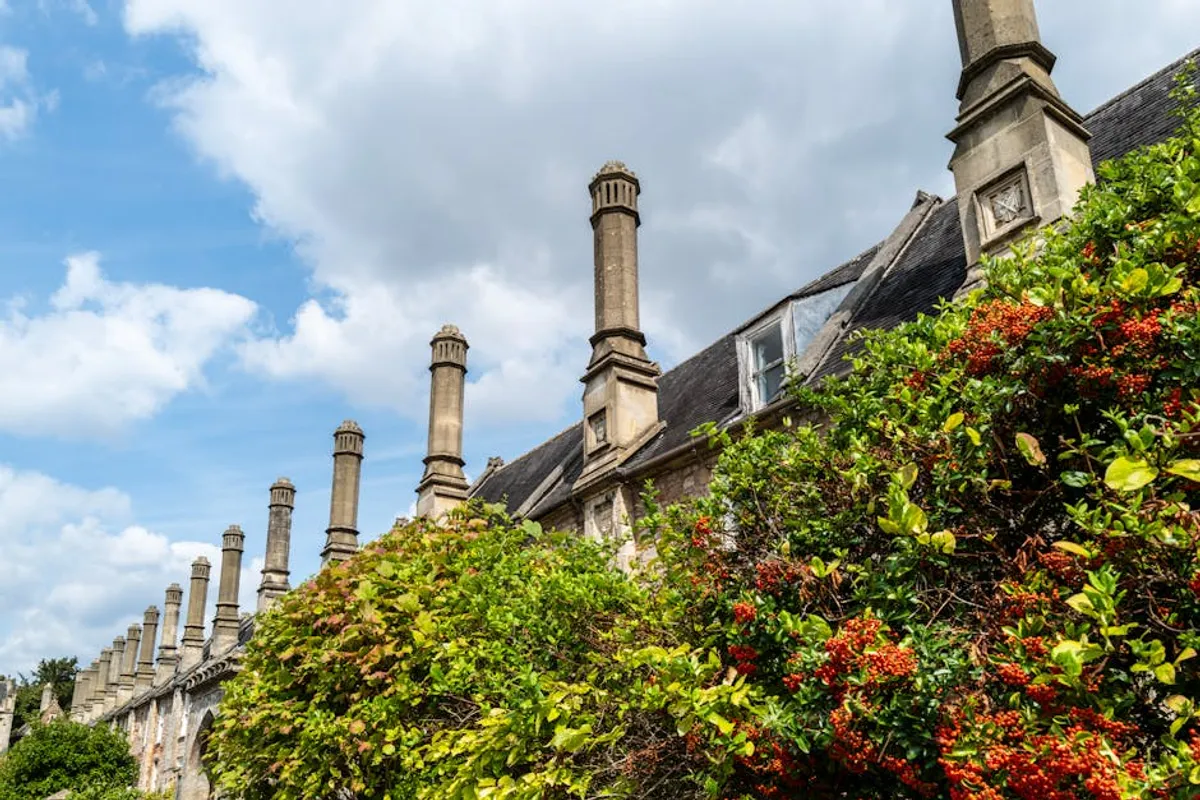
Somerset's historical tapestry is rich and complex, often appearing daunting to those new to its study. However, approaching this deep past with a structured perspective reveals a compelling narrative, accessible even for the absolute beginner. Understanding the foundational layers of Somerset’s history provides context for its unique landscape, culture, and enduring local character. This guide offers a clear entry point, highlighting pivotal eras and their lasting imprints, making the journey into Somerset’s past both manageable and rewarding.
Deep Time: From Ancient Settlements to Roman Rule
The earliest human presence in Somerset dates back to the Palaeolithic era, evidenced by finds in caves like those at Cheddar Gorge. These hunter-gatherer communities eventually gave way to Neolithic farmers, who left behind monuments like the Stanton Drew stone circles, indicating early communal life and ritual practices. The Bronze and Iron Ages saw the construction of impressive hillforts, such as Cadbury Castle, often associated with King Arthur legends, signifying organised defence and community structures. These sites demonstrate strategic thinking and a developed social hierarchy long before recorded history.
The arrival of the Romans in the 1st century AD brought significant transformation. Bath, known as Aquae Sulis, became a major spa town and religious centre, its hot springs dedicated to the goddess Sulis Minerva. The Fosse Way, a key Roman road, cut through Somerset, facilitating trade and military movement. Roman villas, like the one at Cheddar, illustrate the adoption of Roman lifestyles by local elites. This period introduced advanced engineering, urban planning, and a new administrative framework, profoundly altering the region's development.
The Anglo-Saxon Kingdom and Norman Influence
Following the Roman withdrawal, Somerset became a frontier zone between the encroaching Anglo-Saxons and the native Britons. The county played a crucial role in the emergence of the Anglo-Saxon kingdom of Wessex. Alfred the Great, a pivotal figure, famously took refuge in the Athelney marshes during Viking incursions in the late 9th century, rallying forces that eventually led to the Battle of Edington. His victory was instrumental in securing Wessex and laying the groundwork for a unified England. Glastonbury, with its ancient abbey, rose to prominence as a significant spiritual and political centre during this era, fostering legends of Joseph of Arimathea and King Arthur that endure today.
The Norman Conquest of 1066 brought a new ruling class and a drastic reorganisation of land ownership and power. Castles, like the motte-and-bailey at Dunster, were constructed to assert Norman authority. The Domesday Book of 1086 provides a detailed snapshot of Somerset's economic and social landscape post-conquest, revealing a predominantly agricultural society under new feudal lords. This period solidified the county's administrative boundaries and introduced new architectural styles, profoundly shaping its future.
Medieval Power Struggles and Monastic Might
The medieval period saw Somerset flourish, particularly through its wool trade, which brought considerable wealth to towns like Taunton and Frome. The prosperity funded the construction of magnificent parish churches, often referred to as "wool churches," characterised by their elaborate towers and intricate carvings. Monasteries, especially Glastonbury Abbey, continued to exert immense influence, holding vast estates and acting as centres of learning and charity.
However, this era was also marked by conflict. Somerset was affected by the Wars of the Roses, with local families aligning with either the Lancastrian or Yorkist causes. The power struggles between the Crown, nobility, and the Church often played out in the county, leaving behind a legacy of fortified manor houses and castle ruins, such as Farleigh Hungerford Castle, which tell tales of ambition and betrayal.
Pro Tip: Engaging with Primary Sources
To deepen your understanding of Somerset's history, seek out local archives and museums. Original documents, maps, and artefacts offer direct insights into the lives and events of past eras, providing a tangible connection that textbooks alone cannot replicate. Many local history societies maintain accessible collections and offer guided research. Start with the Somerset Archives and Local Studies service for robust resources.
Turbulence and Transformation: Tudors to Georgians
The Tudor period brought seismic shifts, most notably the Dissolution of the Monasteries under Henry VIII. Glastonbury Abbey, once one of England’s wealthiest and most powerful religious houses, was brutally suppressed, its wealth seized by the Crown, and its buildings left in ruins. This event dramatically altered the social and economic fabric of Somerset, redistributing land and power.
The English Civil War (1642-1651) saw Somerset become a battleground, with strong Royalist and Parliamentarian sympathies. Major sieges occurred at Taunton, and the Battle of Langport was a decisive Parliamentarian victory. The county also played a role in the ill-fated Monmouth Rebellion of 1685, which ended tragically at the Battle of Sedgemoor, the last pitched battle fought on English soil. These conflicts left deep scars but also fostered a resilient local identity.
The Georgian era (1714-1837) ushered in a period of relative stability and economic growth. Bath transformed into a fashionable spa and resort city, attracting aristocracy and gentry, leading to its iconic Palladian architecture. Rural Somerset continued its agricultural traditions, with innovations in farming techniques and land enclosure altering the landscape and rural communities.
Industrial Change and Rural Resilience: Victorian to Present
The Victorian age brought the Industrial Revolution to parts of Somerset, though its impact was less pronounced than in northern industrial heartlands. The arrival of railways significantly improved transport and trade, connecting Somerset's produce and goods to wider markets. Industries such as shoemaking (Street), textile manufacturing (Frome), and cider production continued to thrive. However, agriculture remained the dominant economic force, shaping the county's rural character.
The 20th century saw Somerset adapt to two World Wars, with airfields and military installations becoming part of the landscape. Post-war, the county experienced gradual economic diversification, with growth in tourism, aerospace, and food production. Efforts to preserve its unique heritage, from ancient monuments to industrial remnants, gained momentum, ensuring that Somerset's rich past continues to inform its present and future.
Key Sites for Exploration
For those looking to experience Somerset's history firsthand, several sites offer unparalleled insights:
- Glastonbury Abbey: Explore the ruins of one of England's most significant monastic sites, steeped in myth and legend.
- Roman Baths, Bath: Discover the remarkably preserved Roman spa complex and museum.
- Dunster Castle: A well-preserved medieval castle with a rich history, offering panoramic views.
- Montacute House: An exquisite Elizabethan mansion, showcasing the wealth and architecture of the period.
- Museum of Somerset, Taunton: Housed in Taunton Castle, it provides an excellent overview of the county's history from prehistoric times to the present.
- Cheddar Gorge & Caves: Witness evidence of early human habitation and geological wonders.
Continuing Your Historical Journey
Embarking on the study of Somerset's history is an ongoing process of discovery. Each era builds upon the last, creating a layered narrative that defines the region. By focusing on these key periods and the specific events and sites associated with them, beginners can develop a robust understanding without feeling overwhelmed. This foundational knowledge serves as a springboard for deeper dives into particular interests, whether it's the archaeology of hillforts, the intricacies of medieval monastic life, or the social impact of the Civil War. The county's past is a living entity, constantly revealing new facets to those willing to explore.
Frequently Asked Questions
What is the most famous historical event in Somerset?
While many events shaped Somerset, the Battle of Sedgemoor in 1685, the final battle of the Monmouth Rebellion, is often cited as the last pitched battle on English soil, making it particularly significant.
Are there any Roman ruins to visit in Somerset?
Yes, the most prominent are the Roman Baths in Bath (Aquae Sulis), offering extensive and well-preserved remains of the ancient spa complex. Other sites include villa remains, such as the one at Cheddar.
What role did King Alfred the Great play in Somerset's history?
King Alfred famously took refuge in the Athelney marshes of Somerset during Viking invasions in the late 9th century. From there, he rallied his forces, leading to a decisive victory that was crucial for the survival of the Anglo-Saxon kingdom of Wessex.
Where can I learn more about Somerset's monastic history?
Glastonbury Abbey is the premier site for monastic history in Somerset. Its ruins and visitor centre provide extensive information on its rise, influence, and eventual dissolution. Other former monastic sites also offer insights into this period.