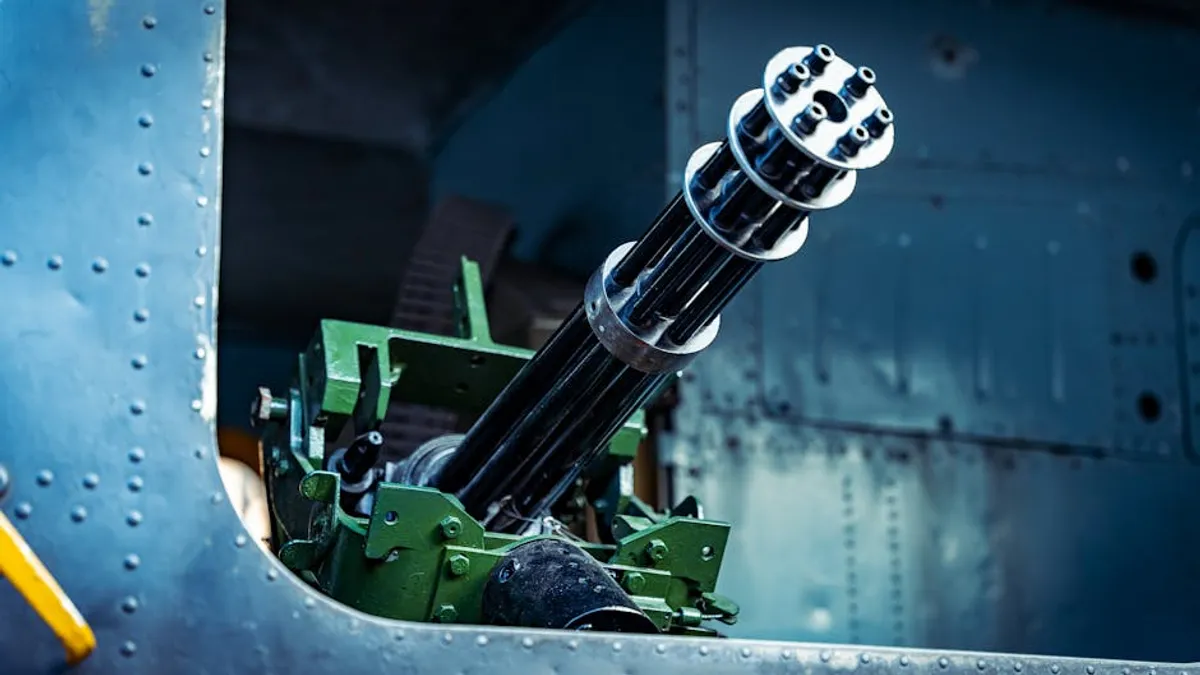
Military heritage photography focuses on documenting the physical and intangible legacies of past conflicts, defense, and military life. This specialized field serves a distinct market, including historical institutions, educational publishers, documentary filmmakers, and private collectors. Commercial success in this niche relies on a combination of photographic skill, deep historical knowledge, and adherence to specific ethical and legal frameworks. Understanding these facets is critical for photographers aiming to establish a reputable and profitable practice.
Documenting Historical Sites and Structures
Photographing military heritage sites demands careful consideration of scale, context, and the passage of time. These locations range from ancient fortifications and World War battlefields to cold war bunkers and modern memorials. The objective is often to convey not just the physical structure, but also the atmosphere and historical significance.
Technical Approaches for Site Photography
Achieving impactful images of large-scale military heritage sites requires specific technical planning. Wide-angle lenses are essential for capturing expansive landscapes and intricate architectural details simultaneously, while a drone can provide aerial perspectives that reveal strategic layouts or environmental impact. Long exposures can smooth out distracting elements like moving water or clouds, emphasizing the enduring nature of the structures. For interior spaces, especially those with limited natural light, off-camera flash or continuous LED lighting can illuminate details without creating harsh shadows, ensuring textures and inscriptions are clearly visible. Accurate geographic and temporal metadata should be embedded in every image, providing crucial context for historical archives and commercial licensing.
Best for: Architectural historians, tourism boards, documentary projects, site preservation campaigns.
Capturing Artifacts and Collections with Precision
Military heritage photography also extends to individual artifacts, from uniforms and weaponry to personal letters and medals. This type of photography demands meticulous attention to detail, color accuracy, and material representation, often for museum catalogs, academic research, or auction houses.
Studio and On-Location Artifact Photography
When photographing artifacts, the primary goal is often forensic detail and faithful representation. Macro lenses are indispensable for highlighting fine engravings, fabric textures, or wear patterns that tell a story. Controlled studio lighting, using softboxes and diffusers, eliminates harsh reflections on metallic or glass surfaces and ensures even illumination across complex forms. For objects displayed in museum cases, polarization filters can reduce glare, allowing clear visibility of the artifact itself. Color calibration is paramount; using a color checker chart in each setup guarantees accurate color reproduction, which is vital for historical documentation and commercial reproduction. Images should be captured at the highest possible resolution to allow for extensive cropping and detailed examination by researchers or publishers.
- Lighting Control: Use diffused, multi-point lighting to reveal texture without harsh shadows.
- Depth of Field: Employ focus stacking for maximum sharpness across three-dimensional objects.
- Scale Reference: Include a neutral scale bar for accurate size representation in archival images.
- Backgrounds: Opt for neutral, non-distracting backgrounds that highlight the artifact.
Ethical Considerations and Historical Accuracy
Beyond technical proficiency, military heritage photography carries significant ethical responsibilities. The subject matter often involves human suffering, sacrifice, and sensitive historical narratives. Commercial work must respect these contexts.
Navigating Sensitivity and Authenticity
Authenticity is non-negotiable. Images must accurately reflect the historical period and conditions without anachronistic alterations. Post-processing should be limited to color correction, exposure adjustments, and dust removal; adding or subtracting elements that change historical context is unacceptable. When photographing memorials or gravesites, a respectful and somber tone is appropriate, avoiding sensationalism. Obtaining proper permissions from site custodians, museum curators, or private collectors is not only a legal requirement but also an ethical one, demonstrating respect for their work and the heritage they preserve. For images intended for commercial use, clear documentation of these permissions is essential for licensing.
Pro Tip: Always secure explicit written permission before photographing private collections or restricted historical sites. Documenting this consent is crucial for future commercial licensing and maintaining professional integrity, especially when images are intended for wider commercial distribution or publication.
Commercial Pathways for Military Heritage Photography
Developing a commercial practice in military heritage photography involves identifying target markets and tailoring distribution strategies. The value of these images lies in their historical accuracy, technical quality, and unique access.
Monetization and Distribution Strategies
Licensing images to educational publishers, historical societies, and documentary production companies represents a significant revenue stream. These clients require high-resolution, accurately captioned images for textbooks, websites, and film. Stock photography agencies specializing in historical or niche content can also provide exposure and sales, though direct licensing often yields higher returns. For unique or particularly striking images, limited edition prints can be sold to collectors, often through galleries specializing in historical art or directly via a professional website. Partnering with museums for exclusive photographic commissions or contributing to their digital archives can also create consistent work. Developing a strong portfolio showcasing both technical skill and historical sensitivity is key to attracting these diverse clients.
Establishing Your Military Heritage Photography Practice
A successful military heritage photography practice merges technical excellence with historical integrity and astute commercial strategy. Focus on building a portfolio that demonstrates a deep understanding of the subject matter, from the grand scale of battlefields to the intricate details of an antique medal. Prioritize ethical considerations and legal compliance in all aspects of your work, from access permissions to image licensing. By consistently delivering high-quality, historically accurate, and commercially viable imagery, you can carve out a valuable niche within the broader photography market.
Frequently Asked Questions
What specific equipment is recommended for military heritage photography?
Essential equipment includes a high-resolution full-frame camera, a range of lenses (wide-angle for sites, macro for artifacts, and a versatile telephoto), a sturdy tripod, external lighting (flashes, LEDs, diffusers), and polarization filters for glare reduction. A drone can also be valuable for aerial perspectives of larger sites.
How do photographers ensure historical accuracy in their images?
Historical accuracy is maintained by thorough research of the subject, avoiding anachronistic elements in composition or post-processing, and documenting precise metadata (location, date, time, context). Collaborating with historians and curators is also vital for verifying details.
What are the common commercial applications for military heritage photographs?
Commercial applications include licensing images to academic publishers for textbooks, museums for exhibitions and digital archives, documentary filmmakers, historical societies for educational materials, and private collectors for prints. Images can also be used for tourism promotion of historical sites.
How do I gain access to sensitive historical sites or artifacts for photography?
Access typically requires contacting the managing authority—such as a museum, national park service, or private collection owner—well in advance. Clearly outline your project's purpose, scope, and intended commercial use. Always obtain written permission to avoid future legal or ethical complications.