
Local history projects offer schools a tangible pathway to enrich curriculum, foster community engagement, and cultivate unique learning experiences. For educators, these initiatives provide a practical framework for interdisciplinary study, connecting historical inquiry with subjects like geography, civics, and even digital literacy. For students, the direct interaction with primary sources and local narratives transforms abstract historical concepts into personal, relatable experiences. Understanding the structure and potential of these projects allows for their effective integration, ensuring they deliver both educational depth and lasting community impact.
Foundational Project Concepts
Effective local history projects begin with well-defined core activities that engage students directly with historical evidence and community members.
Oral History Collection
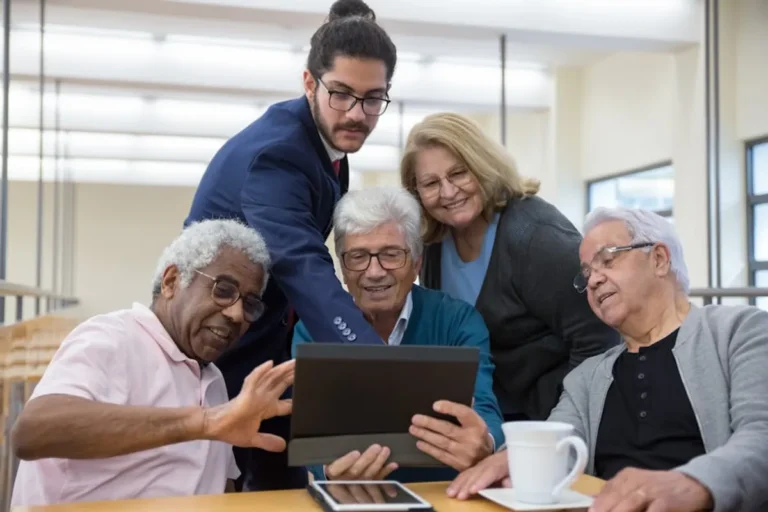
This approach involves students interviewing local residents, particularly elders, about their lived experiences, memories of specific events, or changes in the community over time. The process teaches research skills, active listening, and ethical considerations for data collection. Transcribing and archiving these interviews, whether digitally or physically, creates invaluable primary source material. Students learn to prepare questions, conduct respectful conversations, and synthesize information from personal narratives. This method is particularly potent for capturing perspectives often absent from traditional historical records.
Best for: Developing interpersonal skills, understanding diverse perspectives, creating unique primary source archives.
Historic Site Documentation
Students can research and document local landmarks, buildings, or natural features with historical significance. This includes photography, sketching, mapping, and archival research into deeds, blueprints, or historical records. The project can culminate in detailed reports, illustrated guides, or even digital tours. Focusing on a specific site allows for deep dives into its evolution, architectural styles, and the people associated with it. This activity grounds historical study in the physical environment, making history tangible and immediate.
Best for: Integrating geography and visual arts, developing research and documentation skills, fostering appreciation for local heritage.
Local Archive Exploration
Partnering with local libraries, historical societies, or university archives provides students access to original documents, photographs, maps, and artifacts. Projects can involve cataloging, digitizing, or analyzing specific collections related to the community's past. Students learn about archival practices, source criticism, and the challenges of historical interpretation. This direct engagement with primary sources moves beyond textbook learning, allowing students to construct their own historical narratives based on evidence.
Best for: Enhancing critical thinking, understanding historical methodology, contributing to community preservation efforts.
Engaging Project Delivery Methods
The method of presenting project findings significantly impacts student engagement and community reach. These delivery methods transform research into accessible, shareable content.
Digital Storytelling & Multimedia
Students can transform their research into podcasts, short video documentaries, interactive maps, or dedicated websites. This involves learning digital tools for audio recording, video editing, graphic design, and web development. Projects might focus on a specific local event, a historical figure, or the evolution of a neighborhood. The digital format allows for wider dissemination and offers students practical skills in modern communication and media production.
Best for: Developing digital literacy, reaching broad audiences, fostering creative expression.
Community Exhibitions & Events
Organizing public exhibitions in school halls, local libraries, or community centers allows students to present their findings directly to the community. This could involve physical displays, poster presentations, or interactive stations. Additionally, students can lead historical walking tours of their town or neighborhood, sharing researched narratives about local sites. These events build public speaking skills and connect students with their community as active historians.
Best for: Cultivating public speaking and presentation skills, direct community interaction, celebrating student achievement.
Creative Arts & Performance
Local history can inspire creative works, such as short plays, dramatic readings, poetry, visual art installations, or musical compositions. Students research a historical period or event and then interpret it through an artistic medium. For example, a play might depict a significant local decision, or a series of artworks could illustrate community life in a past era. This approach allows for emotional engagement with history and caters to diverse learning styles.
Best for: Encouraging artistic expression, developing empathy, interpreting history through non-traditional lenses.
Structuring for Success and Impact
To maximize the educational and community value of local history projects, strategic planning and partnerships are essential.
Curriculum Alignment
Projects should be designed to align with national or local curriculum standards for history, civics, and other relevant subjects. This ensures that the time invested in the project contributes directly to educational objectives. Identifying specific learning outcomes—such as understanding cause and effect in local events, analyzing primary sources, or developing historical empathy—helps to integrate the project seamlessly into academic planning.
- Identify specific historical periods or themes in the curriculum that have local relevance.
- Map project activities to state or national learning standards.
- Incorporate assessment methods that evaluate both historical understanding and skill development.
- Ensure projects complement, rather than detract from, core academic requirements.
Partnering with Local Organizations
Collaboration with local historical societies, public libraries, museums, universities, or community groups can significantly enhance project resources and impact. These partners often provide access to archives, expert guidance, guest speakers, and venues for exhibitions. Such partnerships enrich the learning experience by exposing students to professional historical work and community service. They also foster sustainable relationships that can support future projects.
Resource Management
Effective project management involves careful planning of time, budget, and human resources. This includes securing necessary permissions for interviews or site visits, allocating funds for materials or transportation, and coordinating volunteers or chaperones. Teachers and project leaders must define clear timelines and roles to ensure smooth execution. Efficient resource management prevents common pitfalls and allows the focus to remain on learning outcomes.
Pro Tip: When conducting oral history interviews or collecting personal data, establish clear protocols for informed consent, data privacy, and ethical usage. Ensure participants understand how their contributions will be used and stored, particularly if information is sensitive or involves minors. This safeguards both the project and the individuals involved, building trust within the community.
Implementing Your Local History Project
Successful implementation of a local history project requires a phased approach, moving from initial concept to final presentation and reflection. Begin by defining clear objectives and identifying key community partners. Pilot smaller components of the project first if possible, to refine methods and identify potential challenges. Throughout the process, emphasize student-led inquiry and problem-solving, allowing them to take ownership of their research and discoveries. Regular checkpoints and opportunities for feedback ensure the project stays on track and addresses learning goals effectively. Conclude with a public presentation or exhibition to celebrate student achievements and share newfound historical insights with the wider community. Finally, reflect on the project's successes and areas for improvement, documenting lessons learned for future initiatives.
Frequently Asked Questions
What is the ideal duration for a local history project?
The duration can vary significantly based on complexity and scope. A focused oral history project might span a single academic quarter, while a comprehensive historic site documentation project with public exhibition could extend across an entire school year. Align the timeline with curriculum cycles and available resources.
How can schools fund these projects?
Funding can come from various sources, including school budgets, parent-teacher associations, local community grants, and partnerships with historical societies or local businesses. Crowdfunding platforms or small fundraising events organized by students can also contribute to project resources.
What are the primary benefits for students beyond historical knowledge?
Beyond specific historical facts, students develop critical thinking, research skills, communication abilities (both written and oral), digital literacy, and a deeper sense of civic engagement and community identity. They also learn collaboration, problem-solving, and ethical research practices.
How can projects ensure historical accuracy and avoid bias?
Emphasize the use of multiple primary sources, cross-referencing information, and critical analysis of narratives, especially in oral histories. Encourage students to consider different perspectives and biases inherent in any historical record. Collaboration with local historians or archivists can provide expert guidance on methodology and interpretation.