
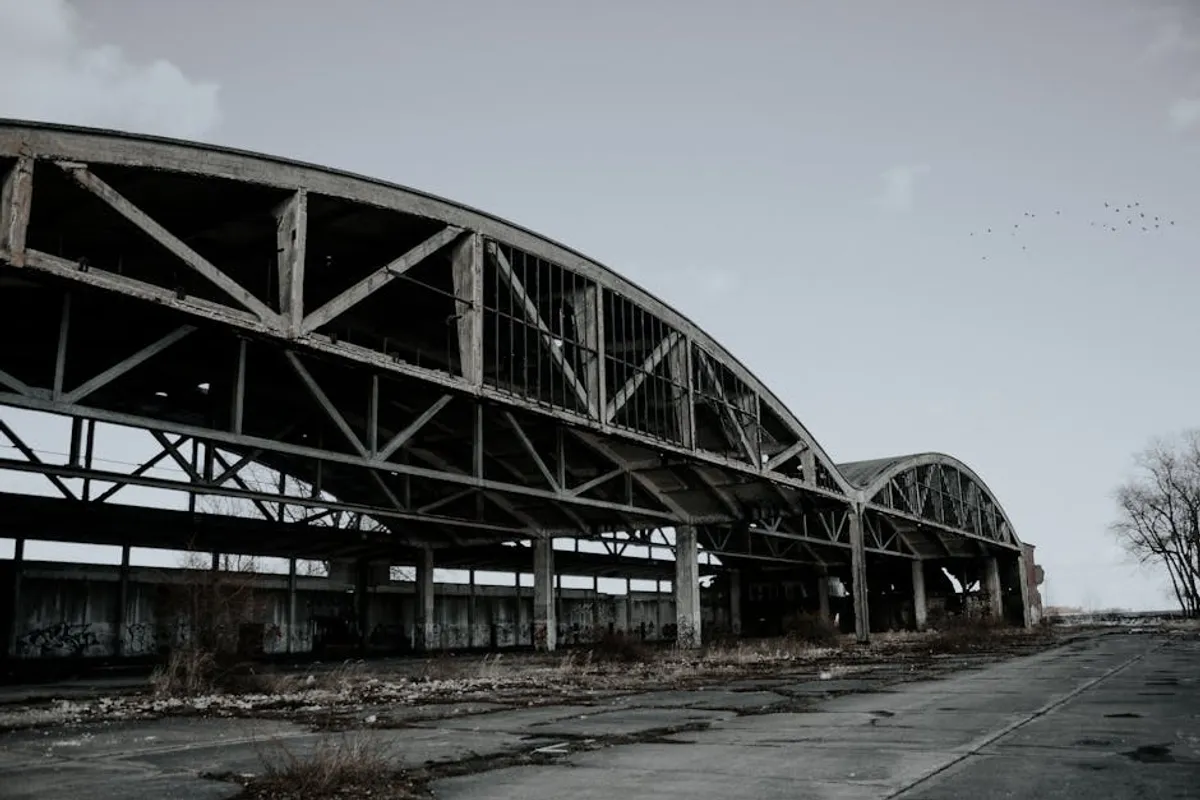
The physical remnants of wartime defense and emergency planning are deeply embedded in the United Kingdom's landscape, offering a unique lens for historical exploration, heritage tourism, and targeted digital content. Understanding these structures—from coastal fortifications to urban shelters—provides a foundation for engaging audiences interested in local history, engineering, and the profound societal impact of conflict. For content strategists and digital marketers, this rich historical layer presents distinct opportunities to develop niche content, attract specific search queries, and cultivate community engagement around local heritage.
The Enduring Footprint of Global Conflicts
The two World Wars, in particular, left an indelible mark on the UK's physical environment. These periods necessitated rapid, large-scale construction of defensive and support infrastructure, often with expediency prioritized over aesthetics. The resulting structures range from the highly visible to the subtly integrated, each telling a story of strategic necessity and human adaptation under pressure.
During the First World War, the focus was largely on coastal defense and training infrastructure. While many trench systems were temporary, concrete machine-gun posts and observation bunkers became permanent fixtures, particularly along the coastlines facing potential invasion routes. These early examples of hardened field fortifications set a precedent for the more extensive and diverse constructions that would follow.
The Second World War saw an explosion in defensive architecture, driven by the threat of aerial bombardment and invasion. This era introduced a broader array of structures designed to protect populations, secure strategic points, and facilitate military operations across the country. The sheer volume and variety of these constructions mean that almost every corner of the UK possesses some form of wartime legacy. The sheer volume and variety of these constructions mean that almost every corner of the UK possesses some form of wartime legacy, offering ample opportunity to explore details of home guard history.
Key Architectural Types and Their Distribution
Wartime architecture in the UK is characterized by its functional diversity and often utilitarian design. These structures were built for specific purposes, dictating their form, materials, and placement:
- Defensive Fortifications: Concrete anti-tank blocks, coastal artillery batteries, observation posts, and pillboxes are prevalent, especially along the south and east coasts. These were designed to impede enemy advances and provide strategic firing positions.
- Air Raid Shelters: Public and private shelters, ranging from small domestic Anderson shelters to large underground communal facilities, became common in urban and industrial areas. Their design varied significantly based on location and capacity.
- Operational Infrastructure: Radar stations, command bunkers, airfields (with associated hangars and control towers), and decoy sites (e.g., 'Q-sites' designed to mimic urban areas from the air) were strategically placed to support military operations and misdirect enemy forces.
- Emergency Infrastructure: Prefabricated housing, temporary bridges, and emergency hospitals were constructed to address immediate post-war needs, influencing subsequent urban planning and construction techniques.
The distribution of these structures is not random; it reflects strategic planning. Coastal defenses are concentrated along vulnerable shorelines, while air raid shelters are densest in cities. Understanding this geographical pattern is critical for local content targeting and heritage tourism initiatives.
Commercial and Content Opportunities
For marketers and content creators, the rich tapestry of wartime architecture offers numerous avenues for engagement:
Heritage Tourism: Promote specific sites or regional trails focused on wartime history. This can involve creating detailed guides, interactive maps, and itineraries for local and national visitors. Content can highlight accessibility, nearby amenities, and related historical points of interest.
Local SEO & Hyperlocal Content: Develop content clusters around specific structures or defense lines within particular counties or towns. For example, "WWII coastal defenses in Norfolk" or "Air raid shelters of Bristol." This targets highly specific, geographically-bound search queries, capturing local interest and driving traffic from users seeking nearby historical sites.
Educational Resources: Create informative articles, videos, and virtual tours explaining the purpose, construction, and historical context of different wartime structures. This content appeals to educators, students, and history enthusiasts, positioning a platform as an authoritative resource.
Visual Storytelling: The often stark, yet compelling, nature of these structures lends itself to powerful visual content. High-quality photography, drone footage, 3D modeling, and historical overlays can bring these sites to life, making them highly shareable across social media and visual platforms.
Community Engagement: Encourage local communities to share their stories, photographs, and memories related to these sites. User-generated content can foster a sense of ownership and connection, creating a vibrant community around local heritage. This also provides fresh, authentic content.
Pro Tip: When developing content around wartime architectural sites, always prioritize historical accuracy and sensitivity. Verify facts through reputable archives and local historical societies. Moreover, ensure that any physical exploration or photography respects private property boundaries and adheres to safety guidelines, particularly for structures that may be unstable or on private land. This builds trust and avoids potential legal or ethical issues.
Repurposing and Preservation
Many wartime structures have undergone significant changes since their original purpose. Some have been demolished, others left to decay, and a notable number have been repurposed. For instance, former airfields are now industrial estates or even nature reserves, while some bunkers have found new life as data centers or artist studios. This transformation narrative offers another layer of content, exploring adaptive reuse and the challenges of preserving these often-neglected historical assets.
The preservation of wartime architecture is a growing concern for heritage organizations. Listing structures for protection, funding restoration projects, and developing public access strategies are ongoing efforts. Content highlighting these initiatives can engage audiences interested in conservation, urban planning, and community heritage.
Leveraging Historical Architecture for Digital Presence
The enduring presence of wartime architecture across the UK is more than just a historical curiosity; it's a tangible link to a pivotal period that continues to shape national identity and local landscapes. For digital publishers and content marketers, this offers a unique, often underutilized, niche. By focusing on specific structures, their historical context, and their modern-day relevance, it is possible to create deeply engaging content that resonates with diverse audiences. This approach not only educates and informs but also taps into the rich vein of local pride and historical curiosity, driving organic traffic and fostering a loyal readership.
Frequently Asked Questions
What are the most common types of wartime architecture found in the UK?
The most common types include concrete pillboxes, anti-tank blocks, coastal artillery batteries, air raid shelters (both domestic and communal), and the remnants of airfields and radar stations. These structures are often found in strategic coastal areas and densely populated urban centers.
How can I find wartime structures near my location?
Many local historical societies, heritage groups, and national organizations like Historic England maintain databases and maps of wartime sites. Online resources, historical maps, and local walking guides often provide information on specific locations. Physical exploration, always with safety and property rights in mind, can also reveal hidden structures.
Are wartime architectural sites protected or accessible to the public?
Some significant wartime structures are listed as protected heritage sites and may be publicly accessible, often managed by trusts or local councils. However, many remain on private land, are derelict, or are in dangerous condition. Always verify access permissions and prioritize safety before visiting any site.
What is the historical significance of preserving wartime architecture?
Preserving wartime architecture provides tangible links to past conflicts, serving as educational tools and memorials. These structures offer insights into military engineering, strategic planning, and the social impact of war, helping future generations understand pivotal moments in history and the resilience of communities.