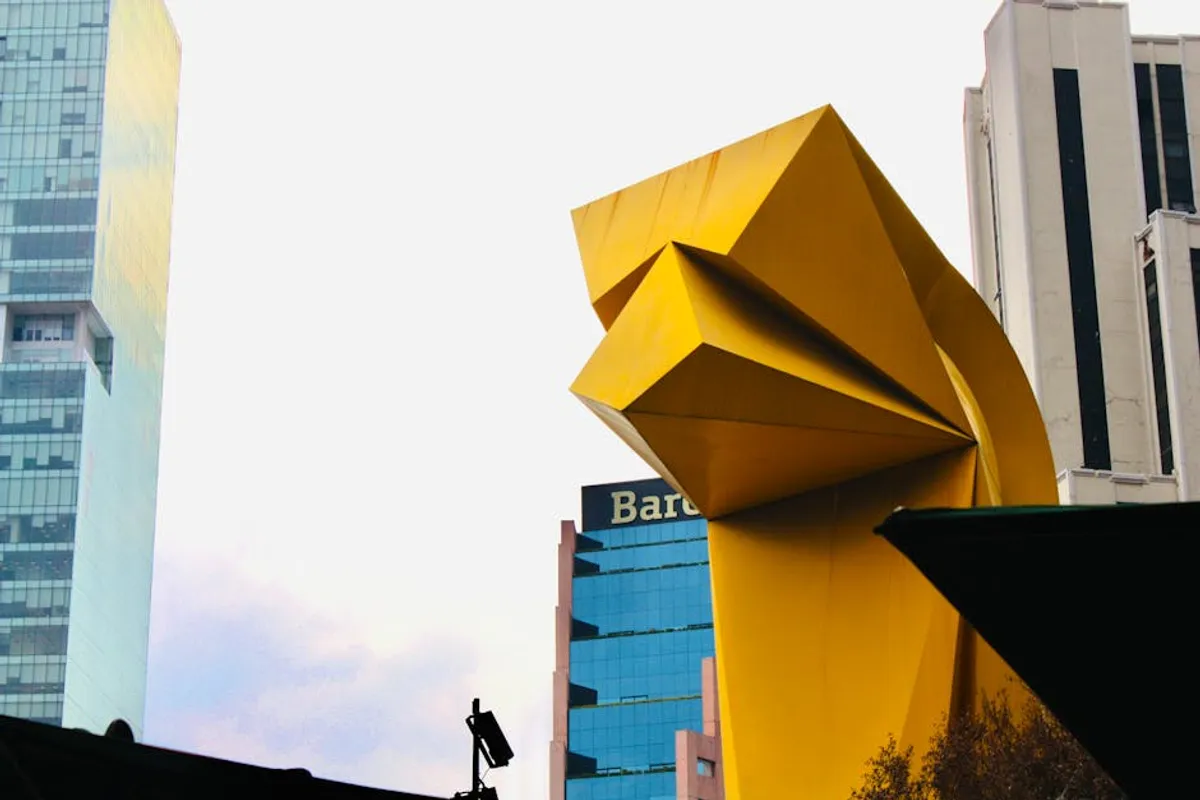
Public art transcends mere decoration; it functions as a deliberate placemaking strategy, transforming unremarkable urban stretches into memorable destinations. For businesses, city planners, and local economies, understanding this dynamic is crucial. An effectively integrated public art piece can shift a street's perception from a transit corridor to a cultural anchor, directly influencing foot traffic, local search visibility, and community engagement. This transformation carries tangible commercial value, making locations more attractive to residents, tourists, and potential investors.
The Core Mechanism: From Space to Place
The fundamental power of public art lies in its ability to imbue a generic space with distinct identity and meaning. A street, by itself, is a functional pathway. Introduce a compelling sculpture, a vibrant mural, or an interactive installation, and that pathway begins to acquire a narrative, a focal point, and a reason for people to pause and engage.
Defining Public Art's Role in Urban Identity
Public art serves as a visual shorthand for a location's character. It often reflects local history, community values, or aspirations, creating a unique signature that distinguishes one street from another. This isn't about arbitrary placement; it's about strategic integration that resonates with the existing or desired identity of an area. A well-chosen piece can tell a story, evoke emotion, and foster a sense of belonging, moving a location beyond its utilitarian function to become a recognized part of the urban fabric.
The Psychology of Landmark Recognition
Humans orient themselves through landmarks. These visual anchors simplify navigation, aid memory, and create mental maps of our surroundings. Public art, by its nature, is designed to be seen and experienced. When an art installation is sufficiently unique, prominent, or engaging, it naturally becomes a reference point. "Meet me by the 'Cloud Gate' sculpture" or "Turn right at the 'Charging Bull'" are common directives that illustrate how art pieces become ingrained in our collective consciousness as navigational and cultural markers. This psychological anchoring is what elevates an ordinary street to landmark status, making it easier to recall, describe, and recommend.
Commercial Impact and Digital Footprint
The transformation of a street into a landmark through public art has direct and indirect commercial benefits, significantly influencing a location's digital presence and economic vitality.
Driving Foot Traffic and Local Discovery
Landmarks inherently attract visitors. A street known for its public art becomes a destination in itself, drawing people who specifically want to see the art, take photographs, or simply experience the unique atmosphere it creates. This increased foot traffic directly benefits surrounding businesses—cafes, retail stores, galleries, and restaurants—by expanding their potential customer base. Events centered around new art installations or existing landmark pieces further amplify this effect, creating recurring reasons for people to visit.
Enhancing Local Search Visibility
When public art establishes a street as a landmark, it generates specific, searchable entities. People search for "public art installations [city name]," "murals in [neighborhood]," or even the specific name of an art piece. This creates new long-tail search opportunities for the area. Businesses located near these landmarks can then optimize their local SEO by mentioning the art in their Google Business Profile descriptions, website content, and local listings, associating themselves with a known point of interest. Google Maps and other navigation services also increasingly highlight landmarks, making these locations more discoverable through digital platforms.
Cultivating User-Generated Content (UGC)
Visually striking public art is inherently shareable. People are compelled to photograph and post their experiences with these installations on social media platforms, reviews sites, and personal blogs. This organic user-generated content acts as powerful, authentic marketing for the location, reaching wider audiences without direct advertising spend. Each photo, video, or check-in amplifies the landmark status of the street and its surrounding businesses.
- Instagram Posts: High-quality visuals of art pieces often receive significant engagement, tagging the location.
- Google Maps Reviews: Visitors mention proximity to landmarks, enhancing location context for others.
- TikTok Videos: Short-form content showcasing interactive art or vibrant murals drives viral interest.
- Travel Blogs & Vlogs: Art-focused itineraries feature these streets, providing detailed recommendations.
Pro Tip: When commissioning or integrating public art, prioritize authenticity and local relevance over fleeting trends. Art that genuinely reflects the community's spirit or history fosters deeper connection and long-term landmark status. Generic or out-of-context pieces may attract initial attention but often fail to create lasting cultural or commercial impact.
Strategic Integration for Lasting Value
Maximizing the commercial and cultural impact of public art requires a strategic approach beyond mere installation.
Curating for Context and Community
The most successful public art pieces are not just placed; they are curated. This involves selecting artists and works that resonate with the architectural style, historical narrative, or demographic makeup of the street and its surrounding community. Engagement with local stakeholders during the planning phase ensures the art is embraced, not just tolerated. Art that feels indigenous to its setting becomes a more powerful and enduring landmark.
Digital Amplification and Storytelling
Once installed, public art needs a digital presence. Dedicated web pages, interactive maps, and social media campaigns can tell the story behind the art, highlight the artists, and provide context for its meaning. QR codes placed near installations can link to audio tours or detailed information, enriching the visitor experience. This digital layer extends the art's reach, encourages deeper engagement, and provides shareable content that reinforces its landmark status online.
Measuring the Transformation
Assessing the impact of public art requires looking beyond aesthetic appreciation to quantifiable metrics.
Key Performance Indicators for Public Art Initiatives
To measure the commercial return on investment for public art, consider tracking:
- Foot Traffic Data: Use sensors or mobile data analytics to measure increases in pedestrian counts post-installation.
- Local Search Queries: Monitor keyword searches related to the art piece or the street name alongside "art" or "landmark."
- Social Media Engagement: Track mentions, hashtags, and geo-tagged posts related to the art and its location.
- Media Coverage: Quantify local and national news articles, blogs, and features that highlight the art.
- Business Revenue: Compare sales data from nearby businesses before and after the art's installation.
- Property Values: Observe trends in property values and commercial rents in the immediate vicinity.
Activating Urban Spaces for Economic Growth
Public art, when thoughtfully conceived and strategically implemented, is a powerful catalyst for urban transformation. It moves streets beyond their functional role, imbuing them with identity, attracting visitors, and generating measurable economic activity. For businesses and urban developers, investing in public art is not merely an aesthetic choice, but a calculated strategy to enhance local search visibility, cultivate community pride, and ultimately, drive sustainable commercial growth by turning ordinary thoroughfares into unforgettable landmarks.
Frequently Asked Questions
Q: How does public art directly benefit local businesses?
A: Public art increases foot traffic to an area, drawing visitors who then patronize nearby shops, restaurants, and cafes. It also enhances the overall appeal and perceived value of a location, making it more attractive for business investment and customer engagement.
Q: Can public art improve a location's SEO?
A: Yes. Public art creates unique, searchable landmarks that generate specific keyword searches. Businesses can optimize their local SEO by referencing these landmarks in their online profiles and content, improving their visibility in local search results and on mapping platforms.
Q: What types of public art are most effective for placemaking?
A: The most effective public art for placemaking is often site-specific, culturally relevant, and engaging. This can include large-scale murals, interactive sculptures, light installations, or even performance art that creates a unique experience and fosters community connection.
Q: How can communities fund public art projects?
A: Funding for public art projects often comes from a combination of sources, including municipal budgets, grants from arts councils and foundations, private donations, corporate sponsorships, and developer contributions through "percent for art" programs or public-private partnerships.