
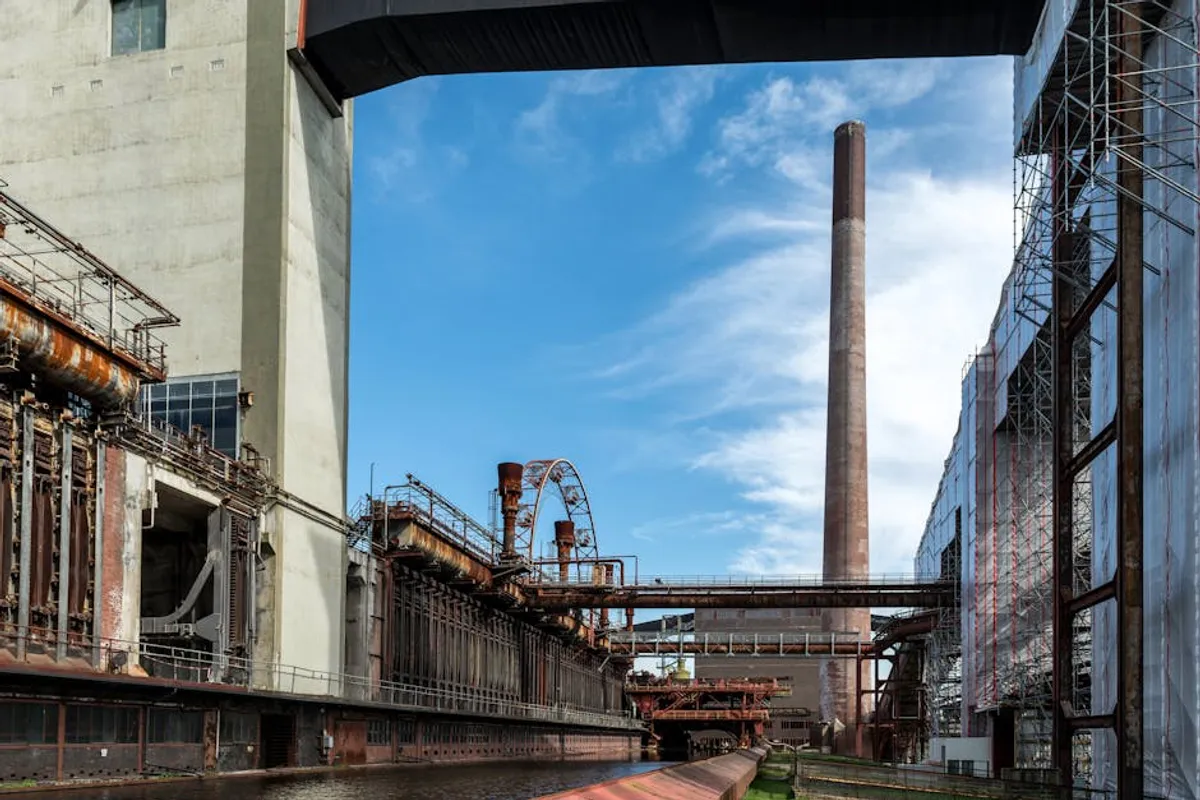
Historic sites present a unique challenge: balancing the imperative of preservation with the critical need for visitor and staff safety. Unlike modern structures designed with contemporary safety codes in mind, historic properties often feature inherent risks such as uneven surfaces, narrow passages, low lighting, and materials that may pose hazards or react unpredictably to modern interventions. For site owners, operators, and heritage organizations, neglecting safety measures not only jeopardizes lives but also threatens the site’s reputation, financial stability, and long-term viability. A proactive, comprehensive approach to safety is not merely a regulatory obligation; it is a fundamental investment in the site’s continued existence and commercial appeal.
Key Safety Considerations for Historic Sites
Structural Integrity and Accessibility
Many historic sites were built without current building codes, leading to potential structural vulnerabilities. Uneven flagstones, worn wooden stairs, low doorways, and narrow corridors are common features that enhance historical authenticity but also introduce trip hazards and accessibility challenges. Regular, professional structural assessments are non-negotiable. These evaluations identify areas of weakness, potential collapse risks, and necessary repairs. Beyond structural soundness, accessibility for all visitors, including those with mobility impairments, must be considered. While extensive modifications might compromise historical fabric, solutions like temporary ramps, clear signage for alternative routes, and staff assistance can significantly mitigate risk. Controlled access to particularly fragile or hazardous areas, perhaps through guided tours only, manages visitor flow and prevents accidental damage or injury.
Fire Safety and Emergency Preparedness
Historic buildings, often constructed from timber, stone, or other combustible materials, pose elevated fire risks. Outdated electrical systems, lack of modern fireproofing, and complex layouts can exacerbate these dangers. A robust fire safety plan includes regular inspection and maintenance of electrical wiring, installation of appropriate fire detection and suppression systems (e.g., mist systems that minimize water damage to artifacts), and clearly marked, unobstructed escape routes. Emergency preparedness extends beyond fire to include natural disasters, medical emergencies, and security incidents. Comprehensive plans must detail evacuation procedures, assembly points, communication protocols, and roles for all staff members. Drills should be conducted regularly to ensure staff familiarity and efficiency under pressure.
Environmental Hazards
Older buildings can harbor environmental hazards that pose health risks to visitors and staff. These may include lead-based paint, asbestos (in specific building materials), mold and mildew from moisture ingress, and pest infestations. Identifying and managing these hazards requires specialized expertise. For instance, lead paint may be encapsulated, not removed, to preserve historical finishes, while asbestos management typically involves professional assessment and either removal or encapsulation, depending on its condition and location. Effective ventilation, humidity control, and regular cleaning protocols are crucial for preventing mold growth and maintaining air quality. Integrated pest management strategies protect both the building fabric and visitor health without resorting to harmful chemicals.
Security and Asset Protection
Historic sites often house invaluable artifacts and architectural elements, making them targets for theft, vandalism, or accidental damage. A multi-layered security approach is essential. This includes physical security measures like reinforced doors, windows, and display cases, alongside electronic surveillance systems such as CCTV and motion detectors. Access control systems restrict entry to sensitive areas. Beyond physical measures, staff training in visitor supervision, conflict resolution, and suspicious activity reporting is vital. Managing crowd flow, especially during peak times or special events, prevents overcrowding which can lead to accidents or opportunities for theft.
Visitor Management and Education
Visitors are an integral part of a historic site's ecosystem, and their behavior significantly impacts safety. Clear and consistent communication of site rules, potential hazards, and recommended conduct is paramount. This can be achieved through:
- Prominent, easily understandable signage at entry points and throughout the site.
- Pre-visit information on websites and booking confirmations outlining safety guidelines.
- Interactive safety briefings for guided tours or specialized experiences.
- Staff members trained to politely reinforce rules and offer assistance.
- Specific guidance for families with young children or visitors with mobility issues.
Educating visitors about the fragility of the site and the importance of adhering to safety protocols fosters a sense of shared responsibility for preservation.
Implementing a Robust Safety Program
Risk Assessment and Auditing
A foundational step for any historic site is a thorough risk assessment. This process identifies potential hazards, evaluates their likelihood and severity, and determines necessary control measures. Assessments should cover all aspects of the site: physical structures, collections, visitor activities, staff operations, and external factors. Regular safety audits, conducted by qualified internal personnel or external specialists, ensure that identified risks are being managed effectively and that safety protocols remain current and compliant with relevant regulations. These audits should be documented meticulously, with findings used to refine safety plans and allocate resources.
Staff Training and Protocols
Well-trained staff are the first line of defense in maintaining a safe environment. Training should be comprehensive and ongoing, covering:
- Emergency response procedures (fire, medical, security incidents).
- First aid and CPR certification for key personnel.
- Understanding of site-specific hazards (e.g., fragile floors, low ceilings).
- Visitor assistance and communication techniques.
- Proper handling and care of artifacts to prevent damage or injury.
Clear, written protocols for all safety-related tasks ensure consistency and accountability. Regular refreshers and scenario-based training keep staff skills sharp and responsive.
PRO TIP: When implementing safety upgrades at a historic site, prioritize solutions that are reversible or minimally invasive to preserve the site's historical authenticity. Document all interventions meticulously, including materials used and installation methods, to maintain a comprehensive record for future preservation efforts.
Technology Integration for Safety
Modern technology offers powerful tools for enhancing safety without necessarily compromising historical aesthetics. High-definition CCTV systems provide discreet surveillance, allowing for remote monitoring and incident recording. Advanced alarm systems can detect intruders, smoke, and even environmental changes like unusual temperature or humidity fluctuations that could indicate a problem. Communication systems, from two-way radios for staff to public address systems for emergencies, ensure rapid information dissemination. When selecting technology, prioritize systems that can be integrated sensitively into the historic fabric, perhaps concealed or designed to blend with the environment.
Sustaining Legacy Through Proactive Safety
Safety at historic sites is not a static condition but an ongoing process of vigilance, adaptation, and continuous improvement. Regular review of safety plans, incident reporting, and learning from near-misses are critical for refining strategies. As sites evolve, undertake new projects, or host different types of events, safety protocols must be re-evaluated and updated. Investing in comprehensive safety measures safeguards visitors and staff, protects invaluable heritage assets, and ensures the site's enduring appeal and commercial viability. A strong safety record builds trust with the public, reduces liability risks, and demonstrates a commitment to responsible stewardship, ultimately securing the site’s future for generations to come.
Frequently Asked Questions
What are the most common safety challenges at historic sites?
Common challenges include structural vulnerabilities (uneven surfaces, fragile elements), fire risks due to older construction and electrical systems, environmental hazards like mold or asbestos, and the need to protect valuable artifacts from theft or damage.
How often should historic sites conduct safety audits?
Safety audits should be conducted at least annually, or more frequently if significant changes occur at the site, such as major renovations, new exhibitions, or changes in visitor numbers or types. Regular risk assessments should also be ongoing.
What role does visitor education play in historic site safety?
Visitor education is crucial for managing behavior and preventing accidents. Clear signage, pre-visit information, and staff communication help visitors understand site-specific hazards, adhere to rules, and contribute to the overall safety and preservation efforts.
Is it possible to balance historic preservation with modern safety standards?
Yes, it is possible but requires careful planning and expert consultation. Solutions often involve reversible interventions, discreet technology integration, and robust visitor management strategies that prioritize safety while minimizing impact on the historic fabric and authenticity of the site.