
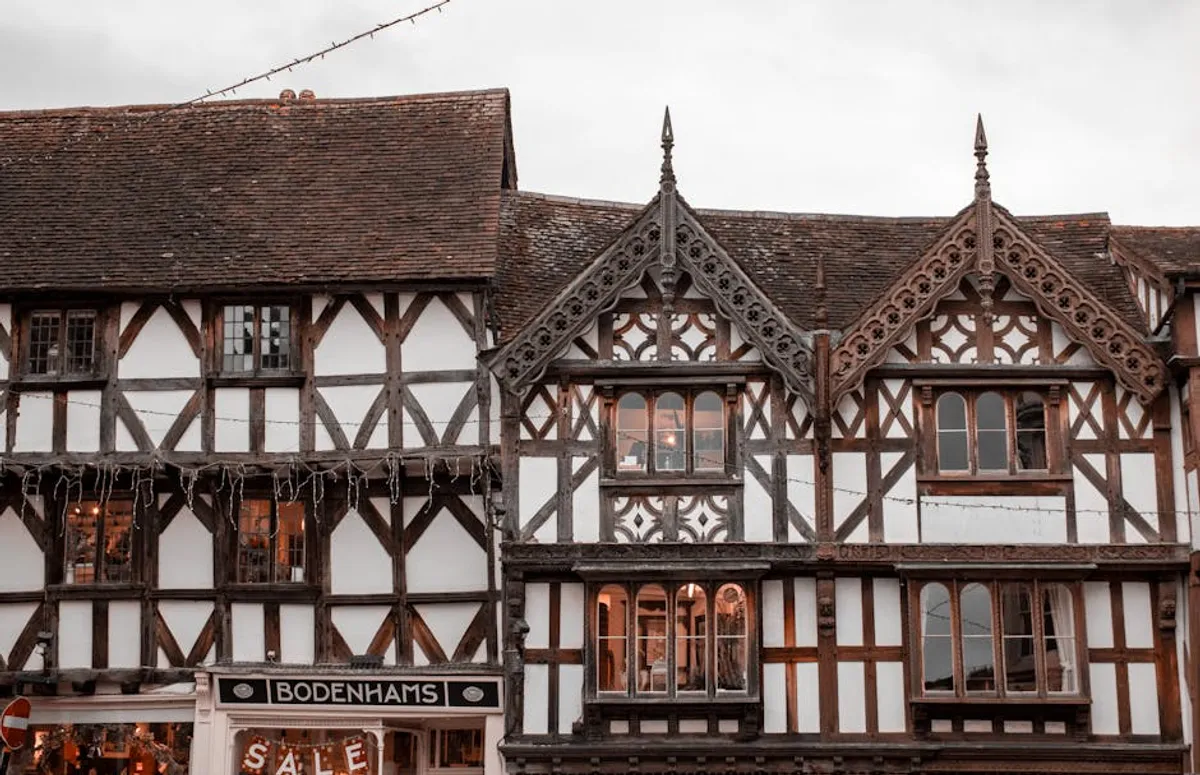
Understanding the framework of Historic England and the fundamentals of local heritage offers significant, often untapped, commercial advantages for content creators, SEO professionals, and publishers. This isn't merely about historical appreciation; it's about leveraging authoritative data and community relevance to build robust content strategies, enhance local search visibility, and establish deep topical authority. By systematically integrating information from official heritage bodies, businesses can develop unique content pillars, attract highly engaged local audiences, and differentiate their digital presence in competitive markets. By focusing on specific areas or themes, such as local heritage walks, you can create highly targeted and engaging content.
Historic England: A Core Data Source for Heritage
Historic England operates as the public body that helps people care for, enjoy, and understand England's historic environment. For content strategists, its primary value lies in its extensive data repositories and research. These resources provide verifiable, detailed information on a vast array of heritage assets, which can be directly translated into authoritative content.
Key resources for content development:
- The National Heritage List for England (NHLE): This is the definitive database of all nationally protected historic buildings and sites in England. Each entry includes a unique list entry number, a precise location, a description of the asset, and the date it was listed. This data is invaluable for geo-targeted content, creating detailed historical narratives, or identifying unique local points of interest that can attract specific search queries.
- Historic England Archives: Housing millions of photographs, plans, and documents, the archives offer visual and textual primary sources. These can enrich articles, social media campaigns, or interactive digital experiences, providing authentic imagery and historical context that generic stock photos cannot match.
- Research and Publications: Historic England publishes extensive research, guidance, and policy documents on various aspects of heritage. These publications serve as authoritative citations, bolstering content credibility and supporting claims with expert-backed information. Referencing these can improve E-E-A-T signals for topical content.
Defining and Identifying Local Heritage Assets
Local heritage extends beyond the grand, nationally recognized sites. It encompasses a broader range of assets that contribute to the distinct character of a community. Understanding these categories is crucial for pinpointing relevant local content opportunities.
Common categories of heritage assets:
- Listed Buildings: Structures of special architectural or historic interest, categorized into Grade I (exceptional interest), Grade II* (particularly important), and Grade II (special interest). Each listing provides specific details that can form the basis of dedicated articles or local guides.
- Scheduled Monuments: Nationally important archaeological sites or historic buildings protected by law. These are often prehistoric, Roman, or medieval sites, offering rich narratives for historical content.
- Conservation Areas: Areas of special architectural or historic interest, the character or appearance of which it is desirable to preserve or enhance. Content can focus on the unique atmosphere, specific architectural styles, or the history of development within these areas.
- Registered Parks and Gardens: Historic parks and gardens of special historic interest. These provide opportunities for content around landscape history, notable designers, or public access and events.
- Battlefields: Sites of historic battles, often with specific boundaries and historical significance. Content can explore military history, local legends, or visitor information.
- Protected Wrecks: Historic shipwrecks protected for their archaeological or historic importance. These offer niche content opportunities related to maritime history, archaeology, and diving.
Local authorities also maintain their own lists of 'locally listed buildings' or 'non-designated heritage assets.' These offer additional, granular content opportunities specific to smaller communities, often less covered by national bodies.
Commercial Applications for Content and SEO
Integrating Historic England data and local heritage understanding into your content strategy provides several commercial benefits:
Niche Content Development: By focusing on specific heritage assets, you can create highly specialized content that caters to niche interests. For example, a detailed article on a Grade II* listed mill in a specific village will attract targeted local searchers and heritage enthusiasts, driving qualified traffic.
Enhanced Local SEO: Local heritage sites are natural geographic anchors. Creating content around them, optimized with location-specific keywords, can significantly improve local search rankings. This includes creating "things to do in X" guides featuring heritage sites, historical walking tours, or articles on the history of local landmarks. These efforts can attract both residents and tourists searching for local experiences.
Authority and Trust Building: Citing Historic England, local councils, and other reputable heritage organizations within your content establishes credibility. This demonstrates thorough research and adherence to verified information, which contributes positively to E-E-A-T signals. When your content consistently references authoritative sources, it positions your platform as a reliable source of information.
Schema Markup Opportunities: Heritage assets lend themselves well to structured data. Using schema.org types like Place, TouristAttraction, Landmark, or HistoricEvent can help search engines better understand your content's context, potentially leading to richer search results and improved visibility for relevant queries.
Digital Storytelling and Engagement: Heritage provides compelling narratives. Instead of dry historical facts, content can be crafted as engaging stories about people, events, and the evolution of places. This approach fosters deeper audience engagement, encourages sharing, and builds community around shared local identity.
Pro Tip: Always cross-reference heritage data with local authority planning portals or official records. While Historic England provides national data, local councils often hold more granular information, planning applications, and conservation area appraisals. Discrepancies can occur, and accuracy is paramount for establishing content authority and avoiding misinformation, particularly when advising on local activities or property contexts.
Navigating Historic England's Digital Tools
Historic England's website (historicengland.org.uk) is the primary gateway to their resources. Familiarity with its structure and search functionalities is crucial for efficient data extraction.
The National Heritage List for England (NHLE) search function allows filtering by location, type of asset, and protection level. This is the starting point for identifying specific sites. Their mapping tools can help visualize asset distribution, informing geo-specific content clusters. While Historic England does not offer a public-facing API for bulk data access, understanding how to navigate and extract information from their online resources manually or through targeted searches remains a valuable skill for content researchers.
Practical Content Strategy for Heritage Topics
Developing a heritage-focused content strategy involves more than just listing facts. It requires identifying audience intent and structuring content to meet those needs.
Identify relevant local heritage themes: Start by mapping key heritage assets in your target geographic area. Consider their historical periods, cultural significance, and potential appeal to different demographics (e.g., families, history buffs, photographers).
Structure content for search intent:
- Informational: Articles detailing the history of a specific listed building, explaining the significance of a conservation area, or profiling a historical figure connected to a local landmark.
- Local Commercial/Navigational: Guides on "best historical walks in [town]," "restaurants near [historic site]," or "planning a day trip to [heritage park]."
- Event-driven: Content promoting local heritage open days, historical reenactments, or conservation workshops.
Content types to consider: In-depth articles, interactive maps, photo essays, video tours, interviews with local historians or conservationists, and timelines of local development. Each content format can serve different purposes and engage diverse segments of your audience.
Leveraging Heritage for Brand Storytelling
Businesses, particularly those with a local presence, can authentically connect with local heritage to enrich their brand narrative. This is not about superficial association but about demonstrating a genuine understanding and appreciation for the community's history.
For example, a local cafe might share the history of its building, a property developer could highlight the conservation efforts in their projects, or a tourism operator might build itineraries around unique local heritage trails. This approach adds depth to brand identity, fosters community goodwill, and differentiates a business from competitors who lack such local integration. However, it requires sensitivity and accuracy to avoid 'heritage washing'—a superficial appropriation of history without genuine engagement or respect.
Building Authority Through Local Heritage
To effectively leverage Historic England and local heritage basics, prioritize accuracy, relevance, and strategic distribution. Begin by thoroughly researching your local area's heritage assets through the NHLE and local council resources. Identify specific sites or themes that resonate with your target audience and align with your content objectives. Develop a content calendar that integrates these heritage topics, ensuring a consistent output of high-quality, authoritative information. Actively promote this content through local community groups, historical societies, and relevant social media channels to amplify its reach and establish your platform as a trusted voice in local history and culture. This sustained effort will build both topical authority and community engagement, driving long-term commercial value.
Frequently Asked Questions
How can I find out if a building is listed?
You can search the National Heritage List for England (NHLE) directly on the Historic England website. Enter the address, postcode, or a known name of the building to check its listing status and grade.
Are all historic sites in England protected by Historic England?
No. Historic England protects nationally significant sites (Listed Buildings, Scheduled Monuments, etc.). Many other historic sites are protected by local authorities as 'locally listed' or 'non-designated heritage assets,' or are simply recognized for their local importance without statutory protection.
Can I use images from Historic England's archives in my content?
Historic England's archives contain a vast collection of images. Usage rights vary. Always check the specific licensing terms associated with each image on their website or contact their image library directly for permissions and attribution requirements before use.
What is the difference between a Listed Building and a Scheduled Monument?
A Listed Building is a structure of special architectural or historic interest, typically still standing and often in use. A Scheduled Monument is a nationally important archaeological site or historic building, often below ground or in ruins, protected for its archaeological rather than architectural significance.