
Britain's extensive and dynamic coastline faces persistent challenges from erosion, flooding, and the escalating impacts of climate change. Protecting communities, infrastructure, and natural habitats demands a sophisticated array of coastal defence strategies. These interventions range from robust physical barriers to nature-based solutions, each designed to mitigate specific threats while balancing environmental and economic considerations. Understanding the typology, function, and strategic deployment of these structures is fundamental to appreciating the complex engineering and ecological planning involved in safeguarding the UK's shores.
Hard Engineering Solutions: Resisting Coastal Forces
Hard engineering refers to the use of artificial, often rigid, structures to prevent erosion and flooding. These solutions are typically durable, require significant capital investment, and are chosen for areas demanding high levels of protection against powerful wave action and strong currents.
- Seawalls: These substantial concrete or rock structures are built parallel to the coastline, directly fronting the sea. Their primary purpose is to absorb and reflect wave energy, preventing direct impact on the land behind. Seawalls are common in urban areas or around critical infrastructure where land values are high. While effective at protecting the immediate area, they can sometimes increase erosion on adjacent, unprotected sections of the coast due to wave reflection.
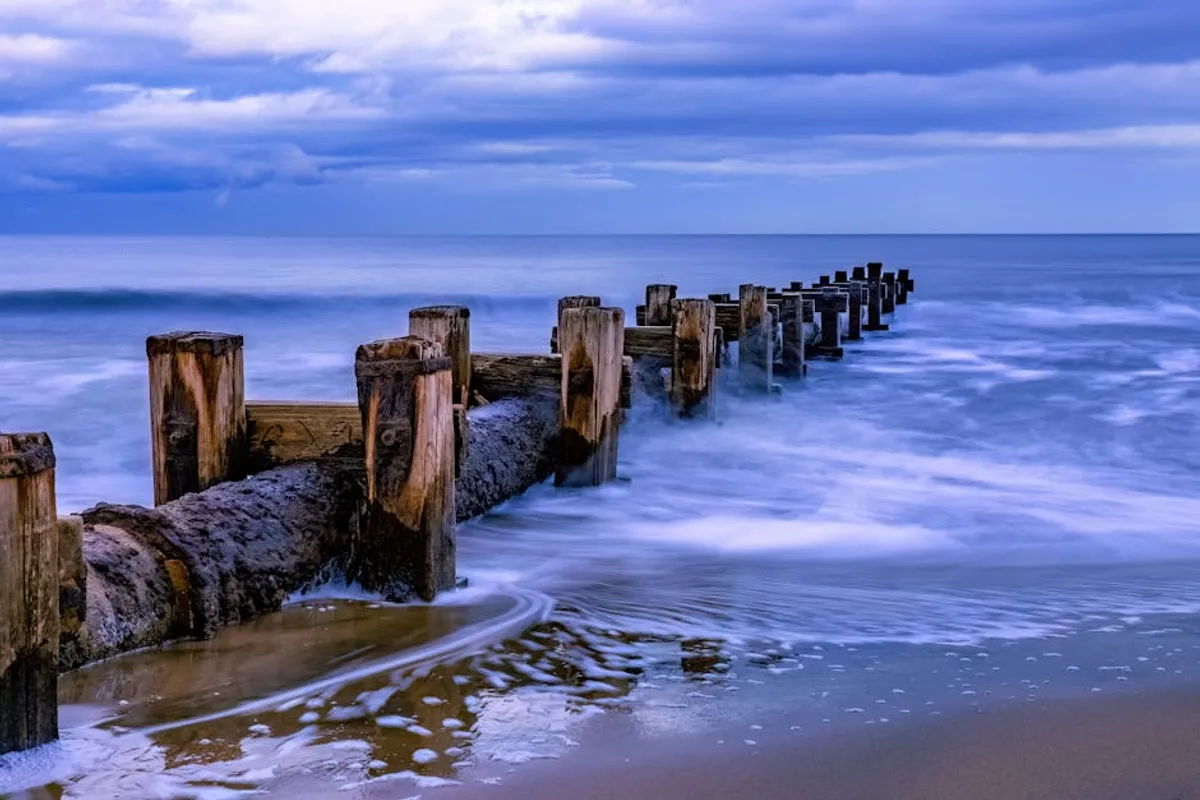
- Groynes: Extending perpendicularly from the shore into the sea, groynes are barriers designed to trap sediment transported by longshore drift. They accumulate sand and shingle on their updrift side, building up a wider beach that acts as a natural buffer against wave attack. Groynes can be constructed from timber, rock, or concrete. However, they can also starve beaches downdrift, leading to increased erosion in those areas.
- Rock Armour (Revetments/Riprap): Large, interlocking boulders or concrete blocks placed at the base of cliffs or along the shoreline. Rock armour dissipates wave energy by allowing water to filter through the gaps, reducing the force of impact and preventing erosion. This method is flexible, adaptable to irregular coastlines, and often more environmentally integrated than solid seawalls.
- Gabions: Wire mesh cages filled with rocks, gabions are used to create flexible, permeable structures that can absorb wave energy. They are often employed in revetments or as retaining walls on smaller scales. While less visually imposing than solid concrete, their longevity can be affected by the degradation of the wire mesh in saline environments.
- Revetments: Sloping structures built parallel to the shoreline, often made from timber, concrete, or rock. Unlike vertical seawalls, revetments absorb wave energy more gradually as waves run up their slope, reducing reflection and scour. They protect the land behind from erosion and can be designed to blend into the natural landscape more effectively than vertical walls.
Soft Engineering Approaches: Working with Nature
Soft engineering techniques aim to work with natural coastal processes, often enhancing existing natural defences or creating new ones. These methods are generally more environmentally sensitive, can be more aesthetically pleasing, and are often more sustainable in the long term, though they may require ongoing maintenance.
- Beach Nourishment (or Replenishment): This involves artificially adding sand or shingle to an existing beach to widen and raise its profile. A wider, higher beach acts as a natural buffer, absorbing wave energy and protecting the land behind.
Best for: Maintaining recreational beaches, protecting low-lying areas, and providing a natural habitat.
- Dune Regeneration and Stabilisation: Sand dunes are natural coastal defences that absorb wave energy and provide a sediment reservoir. Dune regeneration involves planting vegetation (like marram grass) to stabilise existing dunes or encourage the formation of new ones. Fencing can also be used to trap sand and promote dune growth.
Best for: Protecting undeveloped coastlines, enhancing biodiversity, and providing a natural, dynamic defence.
- Managed Realignment (or Retreat): This strategic approach involves identifying areas where existing coastal defences are no longer sustainable or cost-effective. Defences are either breached or removed, allowing the sea to flood low-lying land and create new intertidal habitats, such as salt marshes.
Best for: Creating new wildlife habitats, reducing flood risk in other areas, and adapting to sea-level rise in a planned manner.
- Saltmarsh Creation and Restoration: Saltmarshes are highly effective natural coastal defences, dissipating wave energy and trapping sediment. Projects involve creating conditions suitable for saltmarsh growth, often as part of managed realignment schemes.
Best for: Enhancing biodiversity, providing natural flood protection, and carbon sequestration.
Pro Tip: Effective coastal defence planning transcends immediate structural concerns. It requires a long-term, integrated approach considering ecological impacts, community resilience, and dynamic funding models. A holistic view, often articulated through Shoreline Management Plans, is critical for sustainable outcomes.
Strategic Planning and Future Adaptations
The selection and implementation of coastal defence structures in Britain are governed by complex strategic planning, primarily through Shoreline Management Plans (SMPs). These plans divide the coastline into management units and outline policies for future defence over short (0-20 years), medium (20-50 years), and long (50-100 years) timeframes. Policies typically include:
- Hold the Line: Maintain or upgrade existing defences.
- Advance the Line: Build new defences seaward of the existing line.
- No Active Intervention: Allow natural processes to take their course.
- Managed Realignment: Allow the shoreline to move backwards or forwards, but manage the process.
Factors influencing these decisions include the economic value of assets at risk, environmental designations (e.g., SSSIs, Ramsar sites), social impacts on communities, and the feasibility of engineering solutions. Climate change, with its projections of sea-level rise and increased storm intensity, is a dominant driver for evolving strategies, pushing towards more adaptive and integrated coastal zone management. This often means a shift towards hybrid solutions, combining hard and soft engineering, and a greater emphasis on managed realignment where appropriate.
Navigating Britain's Coastal Protection Landscape
The array of coastal defence structures employed across Britain reflects a continuous effort to balance protection with environmental sustainability and economic viability. From the robust seawalls guarding urban centres to the dynamic, vegetated dunes protecting undeveloped coastlines, each solution addresses specific challenges within a broader strategic framework. As climate change accelerates, the emphasis will increasingly shift towards adaptive management, integrated solutions, and a deeper understanding of natural coastal processes to build resilient communities and ecosystems along the UK's vulnerable coastlines.
Frequently Asked Questions
What is the primary goal of coastal defence in Britain?
The primary goal is to protect people, property, and infrastructure from coastal erosion and flooding, while also considering environmental impacts and promoting sustainable coastal management.
How do hard and soft engineering approaches differ?
Hard engineering uses artificial, rigid structures like seawalls and groynes to directly resist coastal forces. Soft engineering works with natural processes, using methods like beach nourishment and dune regeneration to enhance natural defences and absorb wave energy.
What are Shoreline Management Plans (SMPs)?
SMPs are non-statutory policy documents that outline a long-term strategy for managing coastal risks, such as erosion and flooding, for specific stretches of the UK coastline. They consider economic, social, and environmental factors over 100-year timescales.
Why is managed realignment becoming more common?
Managed realignment is gaining traction as a sustainable, long-term strategy because it can reduce pressure on existing, often failing, defences, create valuable new habitats (like saltmarshes), and offer a more adaptable response to rising sea levels compared to continually defending a fixed line.