
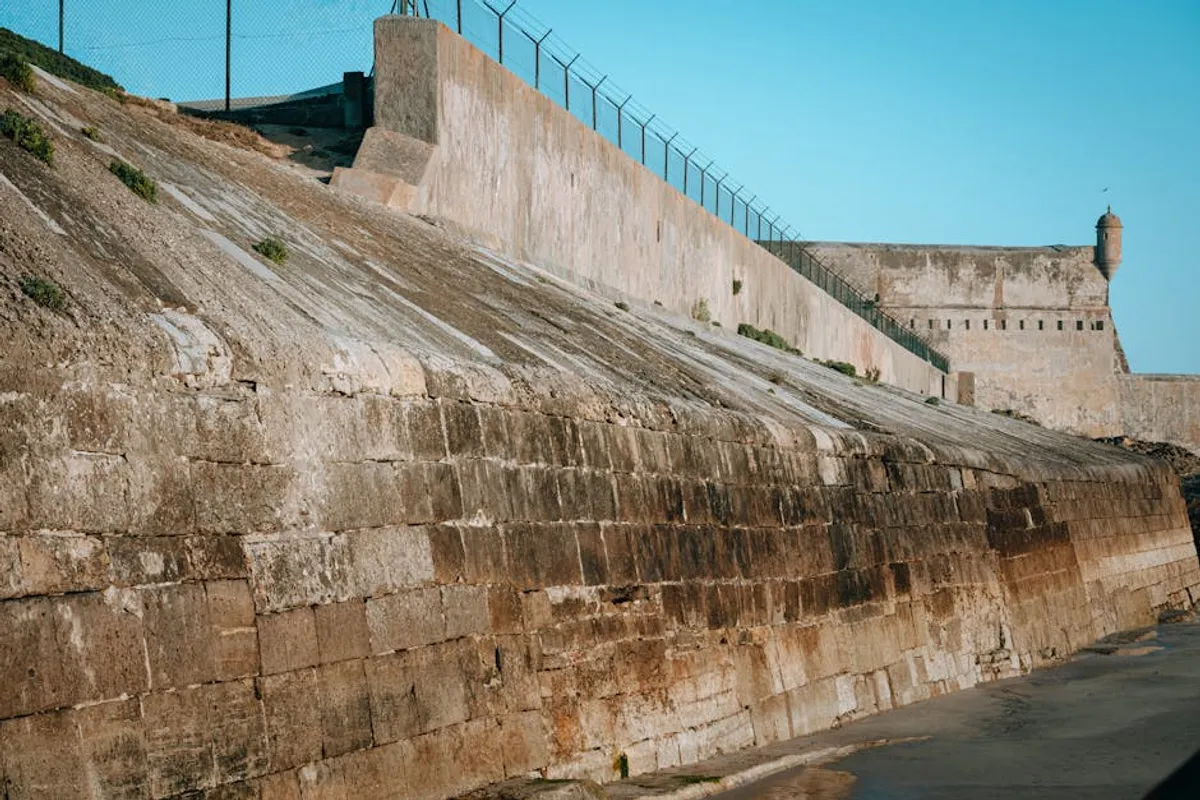
Understanding coastal defence history offers crucial context for anyone involved in historical research, heritage management, or content creation focused on maritime security and engineering. This guide provides a structured approach to comprehending the evolution of coastal fortifications, from ancient earthworks to modern Cold War installations. For marketers and content specialists, accurate historical detail enhances credibility and engagement, attracting niche audiences interested in military history, local heritage, or specific engineering feats. For heritage organizations, a clear grasp of this history is fundamental to effective preservation, interpretation, and public education. This resource outlines key periods, defensive innovations, and practical methodologies for researching and documenting these significant historical assets.
Understanding Coastal Defence: Beyond the Fortifications
Coastal defence encompasses more than just physical structures; it represents centuries of strategic thinking, technological adaptation, and geopolitical responses to perceived threats from the sea. A comprehensive understanding requires moving beyond isolated facts to grasp the underlying motivations and broader historical narratives.
Defining the Scope: From Ancient Walls to Cold War Bunkers
The term "coastal defence" covers an immense chronological and technological spectrum. It includes everything from early natural barriers supplemented with simple earthworks, designed to repel raiding parties, to complex, multi-layered systems of gun batteries, anti-tank obstacles, and radar stations built to counter sophisticated naval and aerial assaults. The scope extends beyond static fortifications to include associated infrastructure like observation posts, command bunkers, and even the strategic deployment of naval assets in coastal waters.
The Strategic Imperative: Why Coasts Were Defended
Coastal defences were rarely built in isolation. Their existence is a direct response to strategic imperatives: protecting vital trade routes, safeguarding major population centers, defending industrial assets, or securing key naval bases. Understanding these motivations provides a framework for analyzing the design and placement of specific defensive works. For example, the concentration of defences around a port indicates its economic or military significance, while dispersed smaller structures might suggest a broader strategy against opportunistic landings.
Key Eras and Their Defensive Innovations
The evolution of coastal defence mirrors advancements in warfare, engineering, and material science. Each era presented new threats and, consequently, new defensive solutions.
Pre-Modern Defences: Natural Barriers and Early Fortifications
Before the widespread use of gunpowder, coastal defence often relied on natural topography supplemented by simple fortifications. Cliffs, rocky shores, and tidal estuaries provided inherent protection. Early human-made defences included palisades, ditches, and stone walls, primarily designed to deter small-scale raids. These structures were often integrated with settlements, serving dual purposes of community protection and coastal watch.
The Age of Cannon: Star Forts and Artillery Towers
The introduction of artillery revolutionized coastal defence. From the 15th century onwards, fortifications had to withstand cannon fire and house their own powerful guns. This era saw the rise of purpose-built artillery towers, blockhouses, and later, the geometrically complex star forts, designed to provide interlocking fields of fire and deflect incoming projectiles. These structures were typically built of thick masonry, often with casemated gun positions for protection.
World Wars: Concrete, Camouflage, and Coastal Batteries
The 20th century, particularly the two World Wars, brought an unprecedented scale of coastal defence construction. Concrete became the dominant material, offering superior resistance to high-explosive shells and aerial bombardment. Coastal batteries housed long-range naval guns, often protected by thick concrete casemates and integrated with observation posts and ammunition bunkers. Extensive anti-invasion measures included anti-tank obstacles, pillboxes, and minefields, often camouflaged to evade detection from air and sea. The sheer volume and variety of these structures reflect the total war efforts.
Cold War Vigilance: Radar Stations and Anti-Submarine Measures
While large-scale invasion threats diminished after World War II, the Cold War introduced new concerns: submarine warfare, long-range missile attacks, and aerial surveillance. Coastal defences evolved to include sophisticated radar stations for early warning, anti-submarine nets, and hardened command centers. Many existing World War II sites were repurposed or upgraded with new technology, reflecting a shift from direct defensive fire to surveillance, detection, and coordinated response.
Researching and Documenting Coastal Defence Sites
Accurate documentation is vital for understanding and preserving coastal defence history. This involves a multi-faceted approach combining archival research with fieldwork.
Primary Sources: Archives, Maps, and Oral Histories
Effective research begins with primary sources. Military archives, national and local government records, and historical maps often contain blueprints, operational plans, construction logs, and strategic assessments related to coastal defences. Old photographs and postcards can provide visual evidence of sites before degradation. Oral histories from veterans or local residents who lived near these sites offer invaluable anecdotal context and personal perspectives that official documents often lack.
Fieldwork and Surveying: Identifying and Recording Remains
Physical fieldwork is essential for identifying, surveying, and recording extant remains. This involves:
- Systematic site visits to locate structures, even those heavily overgrown or partially demolished.
- GPS mapping to accurately record locations and spatial relationships.
- Detailed photographic documentation, capturing structures from multiple angles and noting construction details.
- Measured drawings and sketches to record dimensions and features that might not be clear in photographs.
- Condition assessments to evaluate the state of preservation and identify threats.
Pro Tip: Always prioritize safety during fieldwork. Many coastal defence sites are in precarious locations, on unstable cliffs, or contain hidden hazards like open shafts or sharp debris. Obtain necessary permissions before accessing private land or restricted military zones.
Leveraging Digital Tools for Historical Analysis
Modern digital tools significantly enhance research and documentation. GIS (Geographic Information Systems) can layer historical maps with contemporary aerial imagery and survey data, revealing changes over time and precise locations of buried or obscured features. 3D scanning and photogrammetry allow for the creation of highly detailed digital models of structures, useful for virtual tours, conservation planning, and detailed analysis without physical disturbance. Online archives and digital libraries provide unprecedented access to primary source materials, accelerating research efforts.
Applying Historical Knowledge: Preservation and Engagement
The ultimate value of understanding coastal defence history lies in its application—for heritage preservation, educational outreach, and engaging the public.
Heritage Management and Conservation Challenges
Many coastal defence structures face significant threats from coastal erosion, neglect, vandalism, and redevelopment. Effective heritage management requires identifying these threats, assessing structural integrity, and developing conservation plans. This often involves balancing the desire to preserve historical authenticity with practical considerations for public access and safety. Advocacy for these sites can draw on their historical significance to secure funding and public support.
Educational Initiatives and Public Access
Coastal defence sites offer unique educational opportunities. Guided tours, interpretive signage, and educational programs can bring history to life for students and the general public. Creating accessible digital resources, such as online databases of sites, virtual reality experiences, or interactive maps, can broaden reach beyond physical access limitations. Storytelling around the human experiences associated with these defences—from the soldiers who manned them to the civilians they protected—can foster deeper engagement. Educational programs can further support the vital work of preserving pillbox sites for future generations.
Content Creation: Storytelling and Digital Narratives
For content creators, coastal defence history provides rich material for articles, documentaries, podcasts, and digital campaigns. High-quality, well-researched content can attract specific interest groups, from military history enthusiasts to local heritage tourists. By focusing on unique engineering challenges, personal stories, or the strategic importance of particular sites, content can differentiate itself and establish authority in niche historical domains. This detailed approach not only informs but also contributes to the broader recognition and appreciation of these often-overlooked historical assets.
Sustaining Historical Understanding
The comprehensive study and documentation of coastal defence history is an ongoing endeavor. It requires continuous research, diligent fieldwork, and innovative approaches to interpretation and public engagement. By systematically exploring these historical layers, we ensure that the strategic lessons and engineering marvels of past coastal protections remain accessible and relevant for future generations, informing both historical understanding and contemporary heritage management practices.
Frequently Asked Questions
What defines a "coastal defence" beyond a simple fort?
A coastal defence encompasses any structure, system, or strategic measure implemented specifically to protect a coastline from maritime threats, ranging from ancient watchtowers to modern radar installations, including associated infrastructure like barracks and observation posts.
How can local communities contribute to documenting these sites?
Local communities can contribute significantly through citizen science initiatives, historical societies, and volunteer groups. Activities include identifying unknown sites, gathering oral histories, photographing structures, and advocating for their preservation within local planning.
What are the common threats to coastal defence structures today?
Key threats include coastal erosion, which can undermine foundations; neglect leading to structural decay and collapse; vandalism; and redevelopment pressures that often lead to demolition or irreversible alteration of historical sites.
Where can I find reliable resources for further research on coastal defence history?
Reliable resources include national archives (e.g., The National Archives), academic journals specializing in military history or archaeology, publications from national heritage bodies, university libraries, and reputable local historical society collections.