
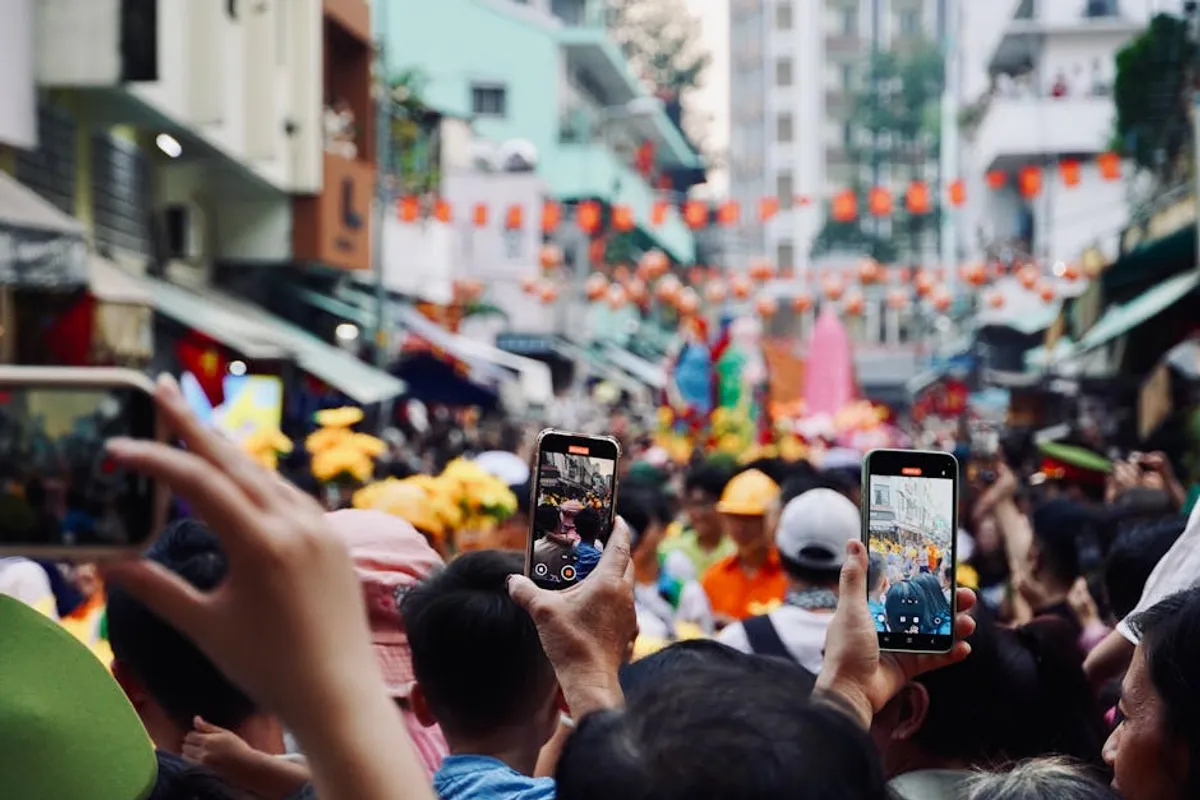
For local magazine sites, cultural events represent a critical content pillar that drives community engagement, enhances local search visibility, and creates diverse commercial opportunities. Beyond simple listings, featuring these events strategically positions a publication as an indispensable community resource. The decision to cover specific cultural events should be rooted in their potential to generate compelling content, attract targeted local audiences, and foster partnerships that contribute to the site’s long-term commercial viability. This approach moves beyond merely reporting what’s happening and instead focuses on how each event can serve as a catalyst for audience growth and content innovation.
How to Select Cultural Events for Your Local Magazine Site
Choosing which cultural events to feature requires a strategic assessment of several factors beyond mere popularity. The objective is to align event coverage with your site's editorial mission, audience demographics, and commercial goals.
Audience Relevance: Prioritize events that resonate with your existing readership and attract new, desirable segments. Consider age, interests, and geographic concentration of potential attendees. An event that aligns with your audience's values ensures higher engagement and content consumption.
Content Generation Potential: Evaluate an event's capacity to inspire multiple content formats. Can it yield pre-event interviews, live coverage, post-event reviews, photo galleries, video snippets, or evergreen feature articles? Events offering diverse narrative angles provide a better return on editorial investment.
Seasonal & Recurring Nature: Look for events that occur annually or seasonally. This allows for content planning, historical data leverage, and the establishment of recurring content series. Repeat coverage builds anticipation and positions your site as the go-to source for specific annual traditions.
Partnership & Sponsorship Opportunities: Assess the potential for collaboration with event organizers, local businesses, or cultural institutions. Such partnerships can lead to co-branded content, advertising revenue, exclusive access, or cross-promotional benefits, directly impacting your site's commercial model.
Local SEO Value: Consider the local search volume for event-related keywords. Events with strong local search interest provide direct opportunities to rank for relevant terms, driving organic traffic. Unique local events can also generate inbound links and social signals that boost overall domain authority.
Logistical Feasibility: Finally, evaluate the resources required for effective coverage. Does your team have the capacity for on-site reporting, photography, video production, and timely content publication? Over-committing to complex events can strain resources and dilute content quality.
1. Local Music Festivals & Concert Series
These events encompass everything from multi-day outdoor festivals featuring regional and national acts to intimate, recurring concert series at local venues. They serve as significant cultural anchors, often drawing attendees from neighboring towns and offering a vibrant, dynamic atmosphere. Coverage can span artist profiles, performance reviews, audience interviews, and behind-the-scenes glimpses into event production.
Best For: Sites targeting younger demographics (18-35), music enthusiasts, and those aiming to capture the energetic pulse of the local entertainment scene. Ideal for publications emphasizing nightlife, arts, and community gatherings.
Pros:
- High Engagement: Music events naturally generate significant social media buzz and photo opportunities, leading to high shareability.
- Diverse Content: Provides opportunities for artist interviews, genre-specific reviews, photo essays, and audience vox pops.
- Sponsorship Potential: Attracts local businesses (food vendors, craft breweries, fashion boutiques) interested in reaching a lively, engaged audience.
- Traffic Driver: Specific event dates create urgency, driving immediate traffic spikes around announcement and event times.
Cons:
- Logistical Complexity: Covering large festivals requires significant planning, multiple reporters, and quick content turnaround.
- Weather Dependency: Outdoor events are vulnerable to weather, potentially impacting attendance and content quality.
- Noise & Crowd Management: Can pose challenges for capturing clean audio or navigating large crowds for interviews.
Verdict: An excellent choice for driving consistent traffic and establishing a magazine as a central cultural hub, provided editorial resources are sufficient to manage the logistical demands and rapid content cycles.
2. Farmers' Markets & Artisan Fairs
These are regular or seasonal gatherings where local producers sell fresh produce, homemade goods, and handcrafted items. They are community-centric, emphasizing local commerce, sustainability, and direct interaction between consumers and creators. Content can focus on vendor spotlights, seasonal produce guides, craft tutorials, and local food trends.
Best For: Family-oriented sites, foodies, sustainable living advocates, and publications supporting local small businesses. Appeals to audiences interested in community building and ethical consumption.
Pros:
- Consistent & Community-Centric: Often weekly or monthly, providing a reliable source of evergreen content and strong local ties.
- Strong Local Business Ties: Direct connections with vendors offer partnership opportunities and extensive interview subjects.
- Evergreen Content Potential: Features on specific vendors, seasonal recipes, or craft tips can be relevant long after the event.
- Broad Appeal: Attracts a wide demographic looking for unique goods, fresh food, and community interaction.
Cons:
- Weather-Dependent: Many are outdoor, making them susceptible to adverse weather conditions.
- Repetitive Content Risk: Requires creative angles to avoid covering the same vendors or products repeatedly.
- Lower "Event" Excitement: May not generate the same immediate buzz as larger festivals, requiring more nuanced storytelling.
Verdict: A reliable, low-effort content generator that builds strong community connections, supports local commerce, and provides a steady stream of engaging, practical content for a broad audience.
3. Historical Reenactments & Heritage Days
These events bring local history to life through costumed performances, demonstrations of traditional crafts, and educational displays. They often focus on specific periods, historical figures, or significant local events, offering both entertainment and educational value. Coverage can include historical context, interviews with reenactors, and photo essays capturing the period details.
Best For: Sites with an older demographic, history buffs, and publications focused on local identity, education, and cultural preservation. Ideal for engaging audiences interested in the roots of their community.
Pros:
- Unique Visual Content: Costumes, period settings, and authentic demonstrations provide rich photographic and video opportunities.
- Educational Value: Offers deep dives into local history, attracting engaged readers seeking knowledge and context.
- Strong Tie to Local Identity: Reinforces community heritage and provides a sense of place, fostering local pride.
- Family Appeal: Engaging for all ages, making it a good option for family-focused content.
Cons:
- Niche Appeal: May not attract a broad audience compared to more contemporary events.
- Infrequent Occurrences: Often annual or biennial, limiting regular content opportunities.
- Accuracy Requirement: Coverage requires careful attention to historical accuracy to maintain credibility.
Verdict: Provides deep, unique content that reinforces local identity and can attract specific, highly engaged readership segments, positioning the magazine as an authority on local heritage.
4. Art Exhibitions & Gallery Openings
These events showcase visual art, ranging from established local artists to emerging talents and traveling collections. Gallery openings often include artist talks, receptions, and opportunities for direct interaction with the creators. Content can focus on artist profiles, critiques of specific works, and discussions on local art trends.
Best For: Culturally sophisticated audiences, art collectors, and publications interested in the local creative economy and high-brow cultural commentary. Appeals to readers seeking intellectual and aesthetic engagement.
Pros:
- Visually Rich Content: Art pieces provide excellent material for high-quality photography and detailed visual descriptions.
- Artist Interviews: Opportunities to engage with creators, discussing their process, inspiration, and connection to the community.
- Supports Local Creative Economy: Highlights and promotes local artists and galleries, fostering community support.
- Elevated Cultural Standing: Positions the magazine as a serious voice in the local arts scene.
Cons:
- Potentially Smaller Audience Reach: Art events can have a more niche appeal compared to mass-market gatherings.
- Exclusivity: Some openings might be invite-only, requiring careful negotiation for access.
- Requires Knowledgeable Critique: Effective coverage demands a degree of art literacy to provide insightful commentary.
Verdict: Elevates a magazine's cultural standing and provides access to a dedicated, often influential, local demographic, offering sophisticated content that differentiates the publication.
5. Theatrical Performances & Live Comedy
This category includes local theater productions (from amateur groups to professional companies), improv shows, stand-up comedy nights, and dance performances. These events offer live, immersive entertainment and highlight local performing talent. Content can include show reviews, interviews with cast and crew, and features on local theater companies.
Best For: Audiences interested in performing arts, entertainment, and supporting local talent. Ideal for publications aiming to be the definitive source for local leisure and cultural events.
Pros:
- Dynamic Content: Reviews, interviews, and behind-the-scenes stories offer compelling narrative opportunities.
- Strong Emotional Engagement: Live performances evoke strong reactions, making for passionate and shareable content.
- Diverse Appeal: Covers a range of genres from drama and musicals to comedy, attracting varied audience segments.
- Time-Sensitive Buzz: Short runs create urgency, driving immediate traffic for reviews and previews.
Cons:
- Limited Run Times: Requires quick turnaround for reviews to remain relevant.
- Ticket Costs: May involve expenses for critics or photographers to attend performances.
- Venue Access: Securing media access or suitable photo/video vantage points can be challenging.
Verdict: Offers high-impact, time-sensitive content that drives immediate traffic and positions the magazine as an entertainment authority, fostering a strong connection with local performing arts communities.
6. Literary Readings & Book Signings
These events feature local or visiting authors, poets, and storytellers reading from their works, discussing their craft, and signing books. Often hosted by independent bookstores, libraries, or community centers, they foster intellectual engagement and support the local literary scene. Content can include author interviews, excerpts from readings, and discussions on literary themes.
Best For: Book lovers, intellectual audiences, and publications interested in supporting local literary talent and independent bookstores. Appeals to readers seeking thoughtful discourse and connection with authors.
Pros:
- Interview Opportunities: Direct access to authors for in-depth discussions about their work and creative process.
- Intellectual Engagement: Provides content that appeals to a thoughtful, educated readership.
- Supports Local Authors & Bookstores: Highlights and promotes integral parts of the local cultural landscape.
- Evergreen Author Profiles: Features on authors can have lasting relevance beyond the event date.
Cons:
- Niche Appeal: May not attract as broad an audience as more visually dynamic or entertainment-focused events.
- Quieter Events: Less visual excitement, requiring strong narrative and interview content to engage readers.
- Limited Visuals: Primarily static events, making dynamic photo or video content more challenging to produce.
Verdict: Builds credibility with an educated audience and fosters connections within the local literary community, offering substantive content that enriches the magazine's cultural depth.
7. Food & Drink Festivals
These events celebrate local cuisine, craft beverages (beer, wine, spirits), and culinary traditions. They often feature tasting stations, cooking demonstrations, and competitions, drawing large crowds interested in gastronomic exploration. Content can include chef interviews, recipe features, vendor spotlights, and trend reports on local food and drink.
Best For: Foodies, families, and anyone interested in local gastronomic experiences. Ideal for publications with a lifestyle focus, or those looking to capitalize on popular culinary trends.
Pros:
- High Engagement: Food and drink are universally appealing, generating significant interest and social sharing.
- Visually Appealing: Dishes, drinks, and vibrant market atmospheres provide excellent photography and video opportunities.
- Strong Local Business Ties: Direct connections with restaurants, breweries, and food producers offer numerous partnership and content avenues.
- Generates Buzz: Often highly anticipated, driving immediate traffic spikes around event announcements and coverage.
Cons:
- Weather-Dependent: Many are outdoor, making them vulnerable to adverse weather.
- Crowded Conditions: Can be challenging to navigate for effective reporting and photography.
- Repetitive Coverage Risk: Requires diverse angles each year to keep content fresh and engaging.
Verdict: A guaranteed crowd-pleaser that offers abundant content opportunities and strong commercial partnership potential, positioning the magazine as an authority on local culinary delights.
8. Community Parades & Seasonal Celebrations
These events include public processions (e.g., holiday parades, civic anniversary marches), seasonal festivals (e.g., harvest festivals, winter light displays), and other large-scale gatherings that unite the community. They often have a long-standing tradition and evoke strong local pride. Content can focus on community spirit, participant stories, and photo essays of the festivities.
Best For: Family audiences, community-focused sites, and publications seeking broad local appeal. Essential for capturing the collective spirit and traditions of a town or region.
Pros:
- High Visibility & Broad Appeal: Attracts a wide cross-section of the community, ensuring high readership for coverage.
- Strong Community Spirit: Content resonates deeply with local residents, fostering a sense of belonging.
- Excellent Photo Opportunities: Colorful floats, costumes, and joyful crowds provide rich visual content.
- Recurring Tradition: Annual events allow for consistent content planning and build reader anticipation.
Cons:
- Logistically Challenging: Covering large, sprawling events requires significant planning and on-the-ground resources.
- Repetitive Year-to-Year: While traditional, content needs fresh angles annually to avoid staleness.
- Crowd Control: Navigating large crowds for interviews or specific shots can be difficult.
Verdict: Essential for capturing the pulse of the local community and providing widely accessible, feel-good content that reinforces the magazine's role as a community chronicler.
9. Educational Workshops & Lecture Series
These events offer skill-building, knowledge sharing, or intellectual discourse on various topics, often hosted by libraries, community colleges, or specialized institutions. They can range from hands-on craft workshops to academic lectures. Content can include summaries of key takeaways, interviews with instructors, and features on the benefits of lifelong learning.
Best For: Lifelong learners, niche interest groups, and publications aiming to position themselves as an educational resource. Appeals to readers seeking personal development and